
Top Benefits of Raised Access Floors for Offices, Data Centers, and Commercial Buildings
January 29, 2026
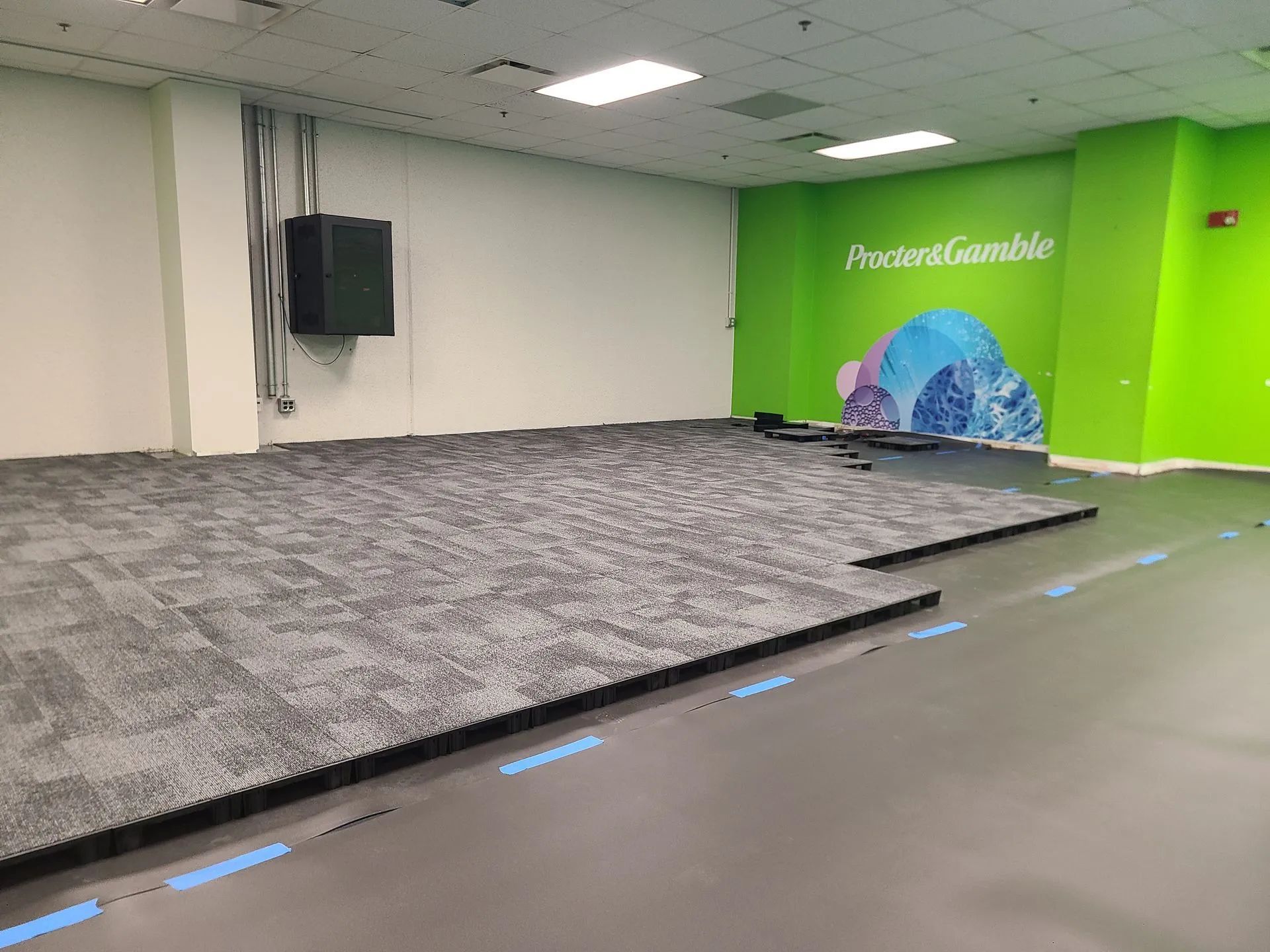
In today’s fast-paced commercial environments, efficient space utilization and seamless infrastructure management have become critical. Offices, data centers, and other commercial buildings are evolving beyond traditional designs to accommodate increasing technological demands, flexible layouts, and energy-efficient solutions. Among these modern innovations, raised access floors have emerged as a transformative feature, providing unparalleled versatility and operational advantages. By elevating the flooring system, businesses gain a hidden yet highly functional layer that simplifies cabling, airflow management, and modular space planning.
Beyond their functional benefits, raised access floors also enhance safety, maintenance, and aesthetics. In environments like data centers, where dense networking and power infrastructure are common, these floors enable efficient organization of cables, power lines, and cooling solutions without compromising accessibility. Similarly, office spaces benefit from easier reconfiguration, streamlined wiring, and improved ergonomics. As organizations seek cost-effective, scalable solutions to adapt to rapid technological growth and evolving workspace needs, understanding the advantages of raised access floors becomes crucial. This blog explores the top benefits of raised access floors, highlighting their practical applications, design flexibility, and strategic importance for modern offices, data centers, and commercial properties.
1. Enhanced Cable and Infrastructure Management
Efficient Organization of Cables
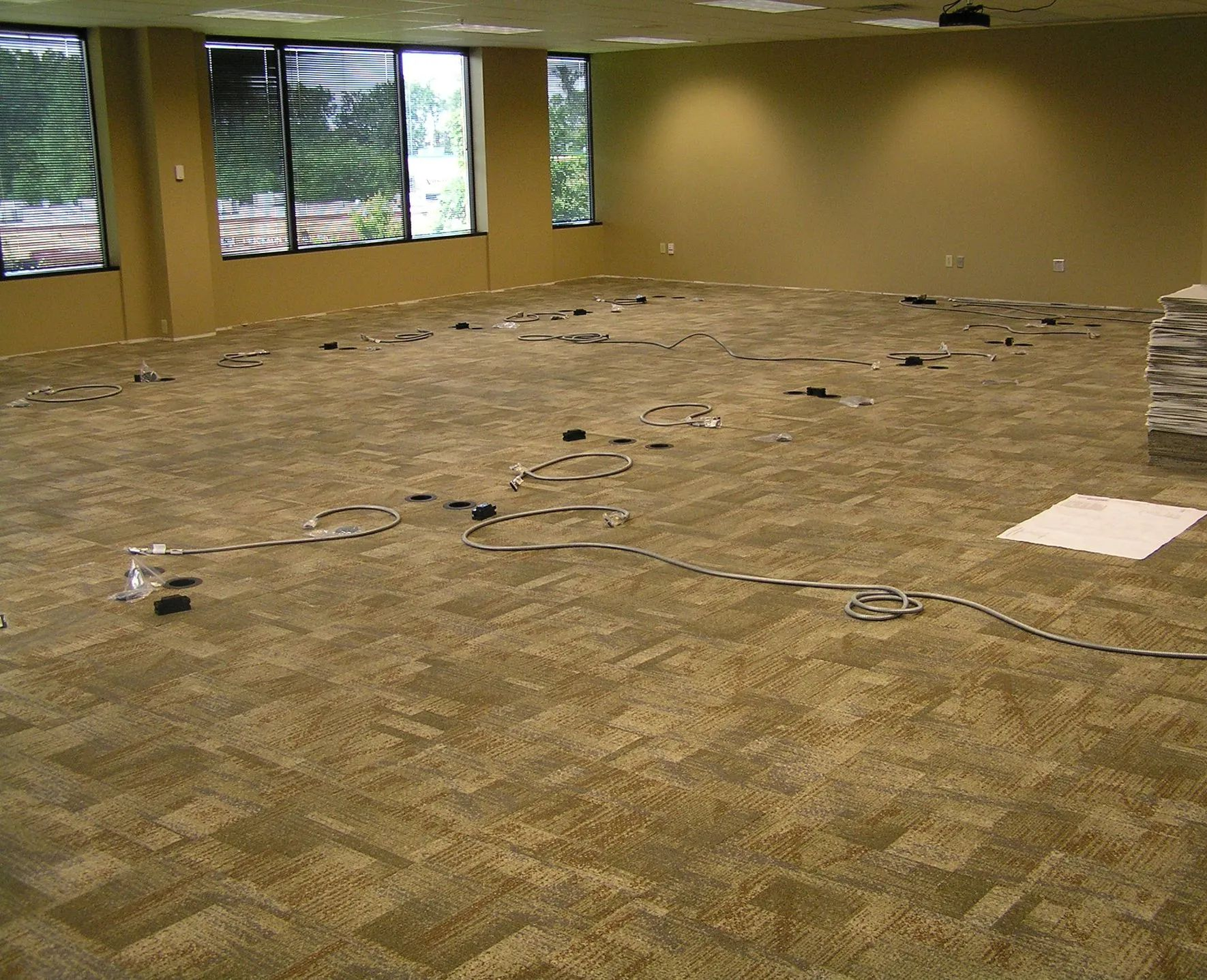
One of the primary advantages of raised access floors is their ability to conceal and manage a wide range of cables, including electrical wiring, network lines, and communication cables efficiently. In modern offices and data centers, cluttered cabling can lead to operational inefficiencies, safety hazards, and maintenance difficulties if not properly managed. Raised floors provide a clean, organized space beneath the surface, allowing technicians to route cables systematically and securely without interfering with daily operations. This setup not only reduces the risk of accidental damage but also simplifies troubleshooting, upgrades, and future installations effectively.
Flexibility for Future Expansions
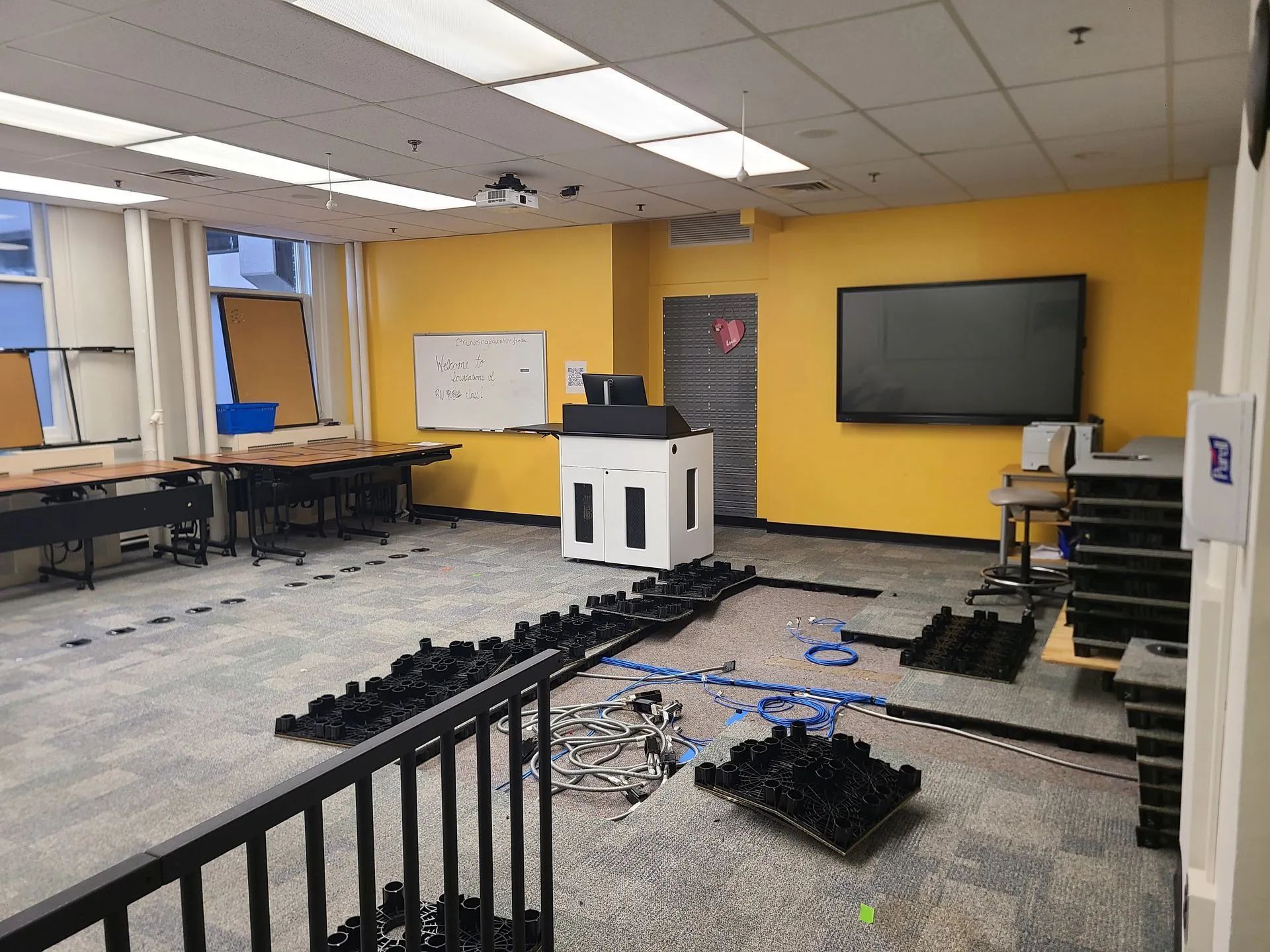
Commercial spaces are dynamic, often requiring the addition of new technology, power outlets, or network connections to keep pace with operational growth. Raised access floors offer flexibility for such expansions without major renovations or disruptive construction work. For instance, if a data center needs to install additional servers or networking equipment, the underfloor space can accommodate new cabling, power lines, and cooling systems seamlessly. This adaptability makes raised floors a cost-effective long-term investment that supports both current needs and future technological advancements reliably.
Real-World Scenario
Consider an office undergoing a comprehensive digital transformation. Employees require additional workstations with increased connectivity and power demands to support productivity. Rather than tearing up existing flooring, a raised access system allows quick installation of extra wiring and outlets beneath the floor panels, minimizing downtime and disruption for employees. This approach ensures that business operations continue smoothly while upgrading infrastructure efficiently and cost-effectively.
2. Improved Cooling and Airflow Management
Optimized HVAC Systems
In data centers and commercial buildings with high-density electronic equipment, proper cooling is crucial for maintaining equipment performance, safety, and operational reliability. Raised access floors facilitate underfloor air distribution, allowing conditioned air to flow directly to heat-sensitive areas with precision and control. This design reduces hotspots, maintains consistent temperatures, and ensures uniform cooling across the entire workspace, which is particularly critical for mission-critical equipment.
Energy Efficiency Benefits
Underfloor air distribution enabled by raised floors can lower overall energy consumption compared to traditional overhead HVAC systems while reducing operational costs. By directing airflow precisely where it’s needed, facilities can reduce the workload on cooling units, improve efficiency, and ultimately decrease energy bills and environmental impact significantly. This targeted approach ensures optimal resource usage and contributes to sustainable building operations effectively.
Example in Data Centers
A large-scale data center hosting hundreds of servers can use raised floors to channel cold air beneath racks and equipment efficiently. Adjustable floor vents allow operators to fine-tune airflow for optimal cooling performance, extending equipment life and preventing heat-related failures proactively. This level of precision is difficult to achieve with conventional cooling setups and highlights the operational advantages of raised access floors.
3. Design Flexibility and Space Optimization
4. Enhanced Safety and Reduced Maintenance Challenges
Minimizing Trip Hazards
Traditional wiring and cabling often run along walls or across floors, posing potential trip hazards in busy commercial environments and high-traffic areas. Raised access floors hide cables beneath removable panels, maintaining a clutter-free surface, enhancing workplace safety, and preventing accidental injuries. This clean and organized approach also contributes to a professional and hazard-free environment for employees and visitors alike.
Easy Access for Repairs and Upgrades
Maintenance of electrical, data, or mechanical systems becomes significantly easier with raised floors, reducing operational downtime. Technicians can lift individual panels to access infrastructure without disturbing the entire workspace, minimizing disruption to employees and business activities. This design reduces costly renovations, avoids workflow interruptions, and ensures ongoing operational efficiency for all systems consistently.
Fire Safety Considerations
Raised floors can also improve fire safety by providing structured pathways for cabling and limiting exposure of combustible materials, reducing potential hazards. Certain raised floor systems incorporate fire-resistant panels, further enhancing building safety standards and compliance with regulatory requirements. This contributes to a safer work environment while supporting modern building design.
Practical Example
A commercial building housing multiple tenants experiences a sudden network outage due to a damaged cable. Instead of cutting into walls or disrupting office operations, maintenance staff can lift specific floor panels to isolate and repair the faulty network cables swiftly. This restores service with minimal impact on productivity while maintaining operational continuity effectively.
5. Acoustic and Aesthetic Benefits
Noise Reduction
Raised floors contribute to improved acoustic performance in office and commercial spaces, creating a quieter, more comfortable working environment. By creating a separation between the subfloor and the work surface, raised floors can absorb sound and reduce vibration from equipment, footsteps, and HVAC systems effectively. This enhancement improves employee concentration, comfort, and overall workplace satisfaction significantly.
Clean and Professional Appearance
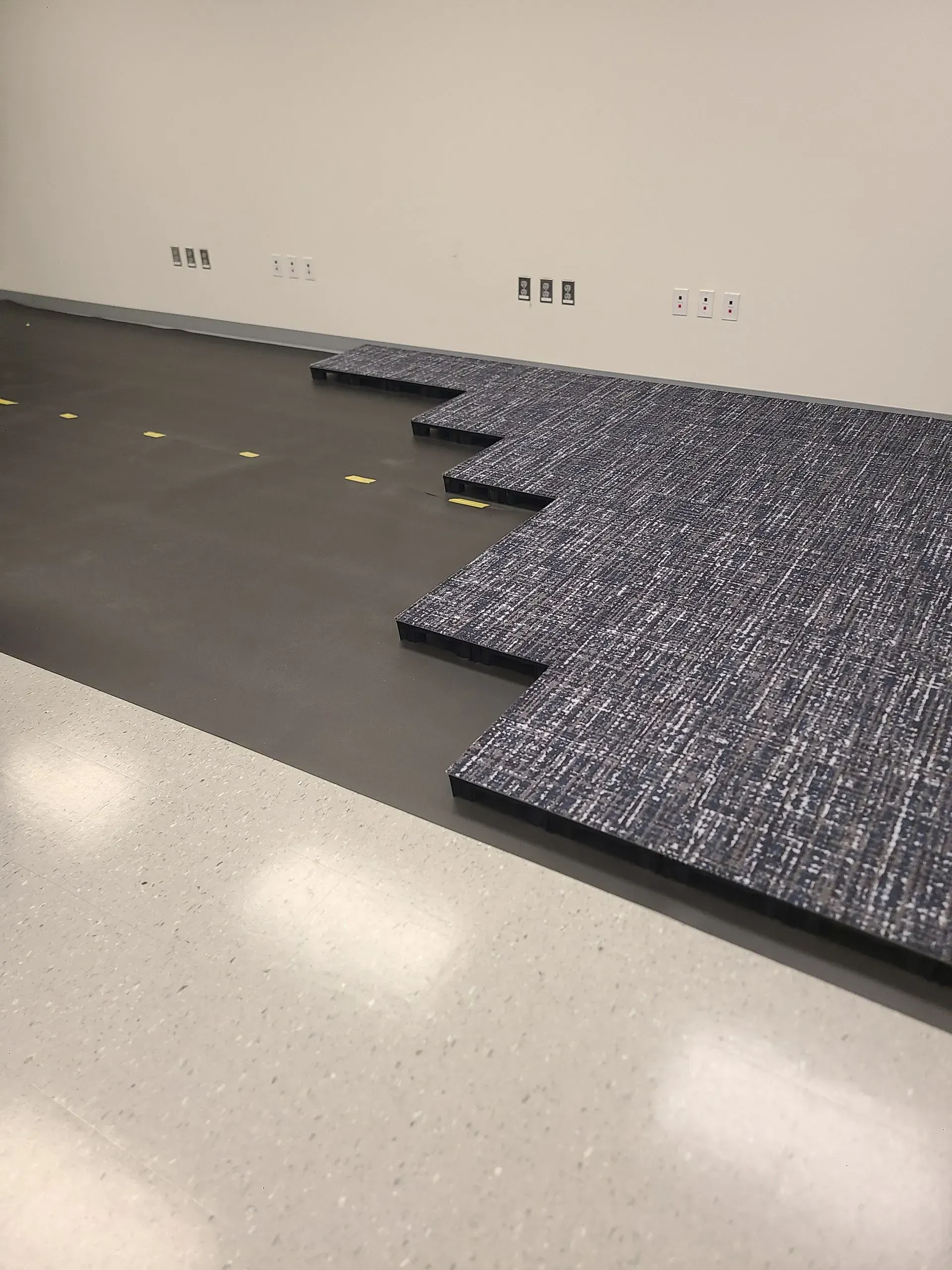
The removable panels of raised access floors allow for a clean, uniform appearance without exposed cables, conduits, or cluttered wiring. This professional finish is particularly valuable in offices, reception areas, and conference rooms where aesthetics play a significant role in brand perception, employee experience, and client impressions.
Example: Client-Facing Spaces
A consulting firm hosting frequent client meetings benefits from raised floors by maintaining a tidy, modern workspace that impresses visitors. All cables for projectors, telecommunication systems, and computers are hidden effectively, enhancing the visual appeal and creating a professional, well-organized impression for both clients and employees consistently.
6. Sustainability and Long-Term Cost Benefits
Experienced Professionals Delivering Superior Access Floor Systems
For organizations seeking reliable access floor solutions, Powerflor USA Inc
stands as a trusted partner in the industry. Based in Gaithersburg, Maryland, and backed by over 25
years of experience, Powerflor USA Inc
specializes in designing, supplying, and installing high-quality raised access floors tailored to the unique requirements of offices, data centers, and commercial buildings. The company emphasizes durability, flexibility, and efficiency, ensuring that every project maximizes operational functionality while minimizing long-term maintenance challenges. Clients benefit from personalized consultations, expert installation, and ongoing support, making Powerflor USA Inc
a dependable choice for businesses looking to optimize their workspace infrastructure. Whether upgrading an existing facility or implementing a new construction project, the team combines technical expertise with practical insights to deliver solutions that enhance safety, airflow management, cable organization, and overall workspace aesthetics. With a strong commitment to excellence and client satisfaction, Powerflor USA Inc
continues to empower businesses with modern, efficient, and sustainable access floor solutions that meet both current and future demands.