
What Are Raised Access Floors? A Beginner’s Guide for Modern Workspaces
December 30, 2025
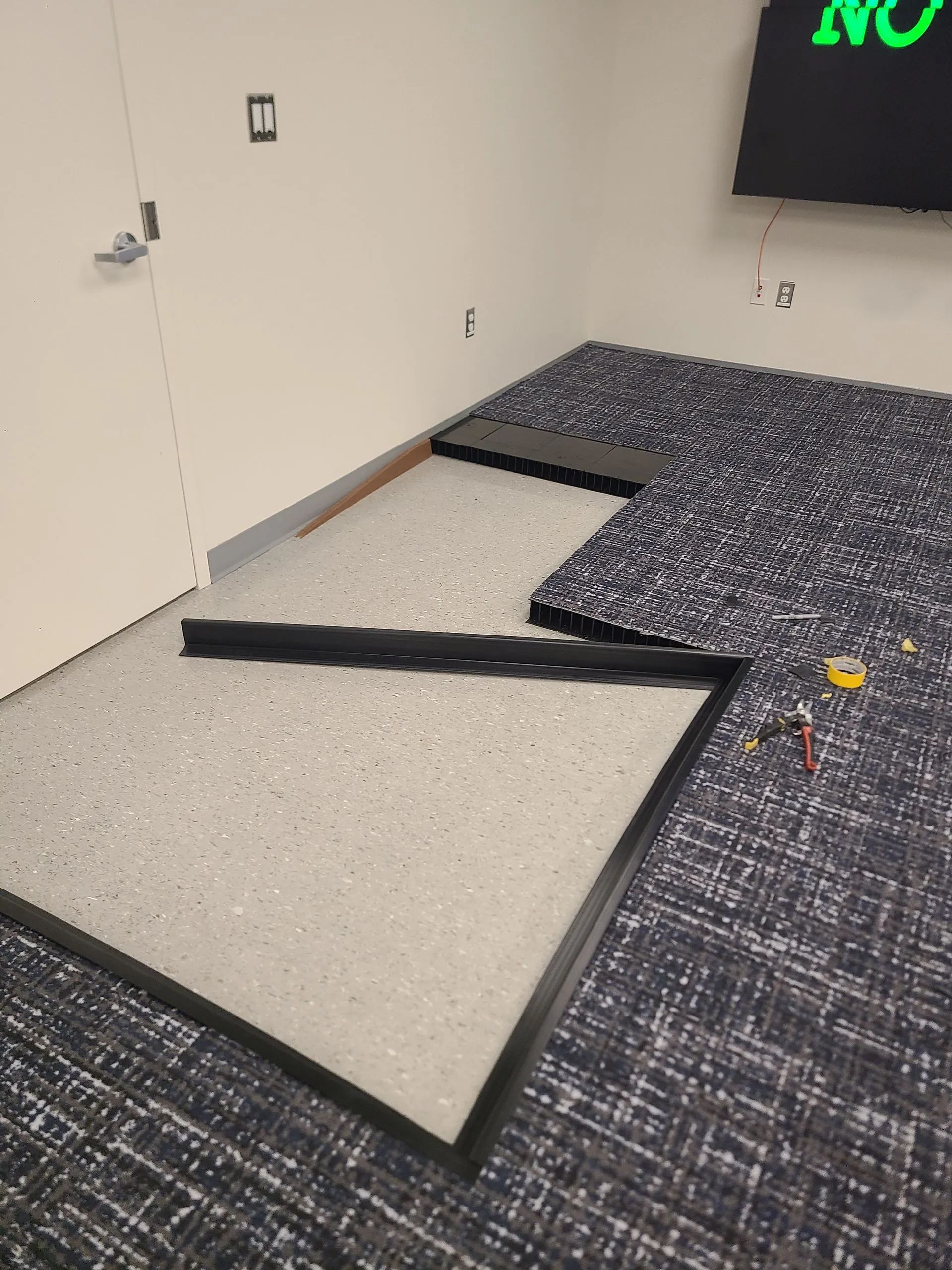
Modern workspaces are evolving rapidly, driven by technological advancements, flexible office layouts, and a growing emphasis on efficient space management. As organizations strive to create adaptable environments that can accommodate shifting needs, the infrastructure beneath our feet plays a more critical role than ever. One solution gaining widespread popularity in contemporary office design is the raised access floor system. While it might seem like a purely structural component, raised access floors are fundamental to improving workspace functionality, enabling seamless cable management, air distribution, and technological integration.
In simple terms, raised access floors are elevated platforms installed above a building’s original floor, creating a hidden void to house electrical wiring, data cables, HVAC systems, and other utilities. This innovative approach offers businesses a versatile and future-ready foundation, allowing for quick reconfigurations, simplified maintenance, and enhanced operational efficiency. Whether designing a high-tech office, data center, or collaborative coworking space, understanding raised access floors is crucial for making informed decisions that support long-term flexibility and cost-effectiveness. This guide aims to introduce beginners to the concept, explore its applications, highlight advantages and challenges, and provide practical insights for incorporating raised access floors into modern work environments.
1. Understanding Raised Access Floors
What Exactly Is a Raised Access Floor?
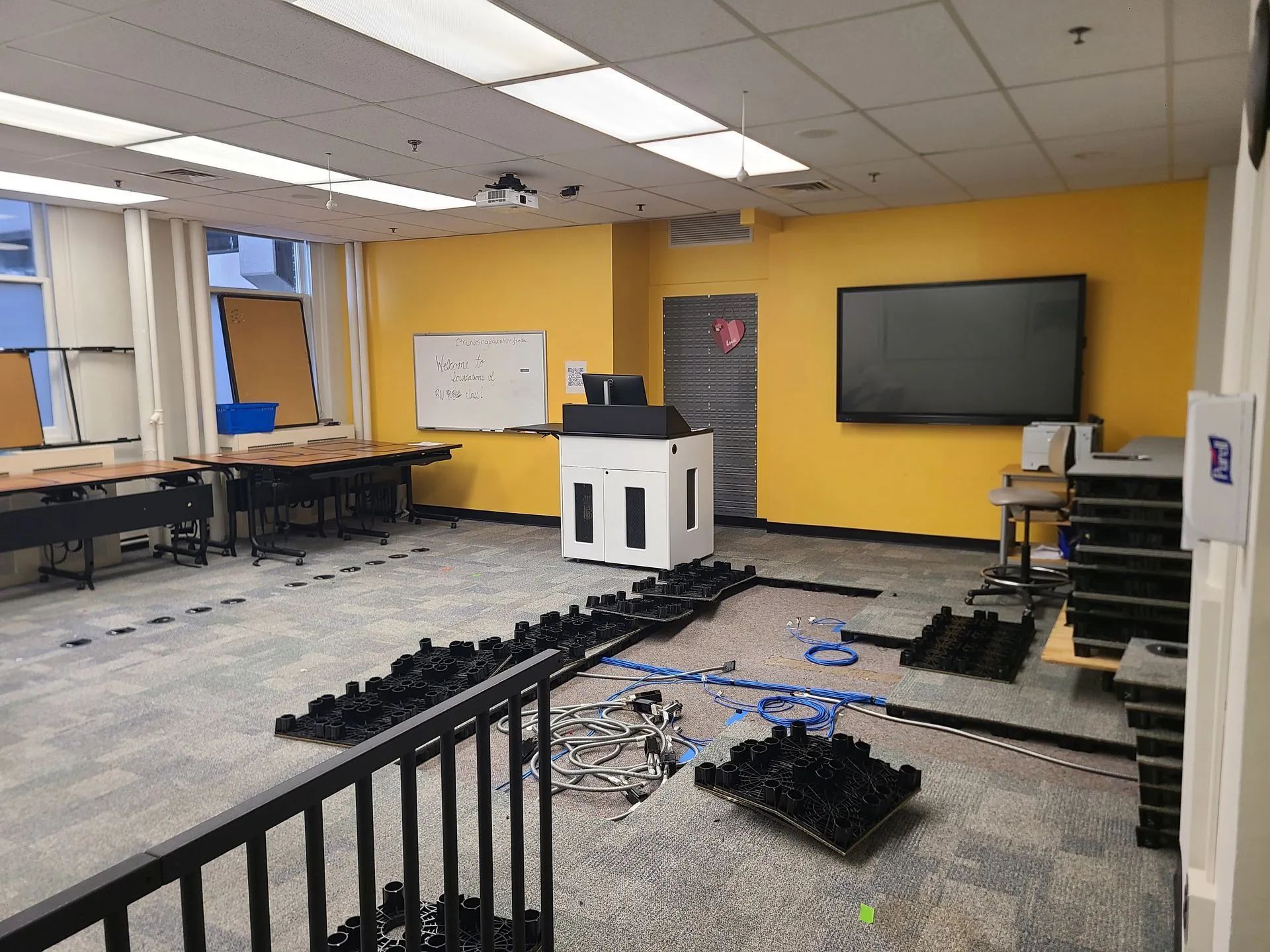
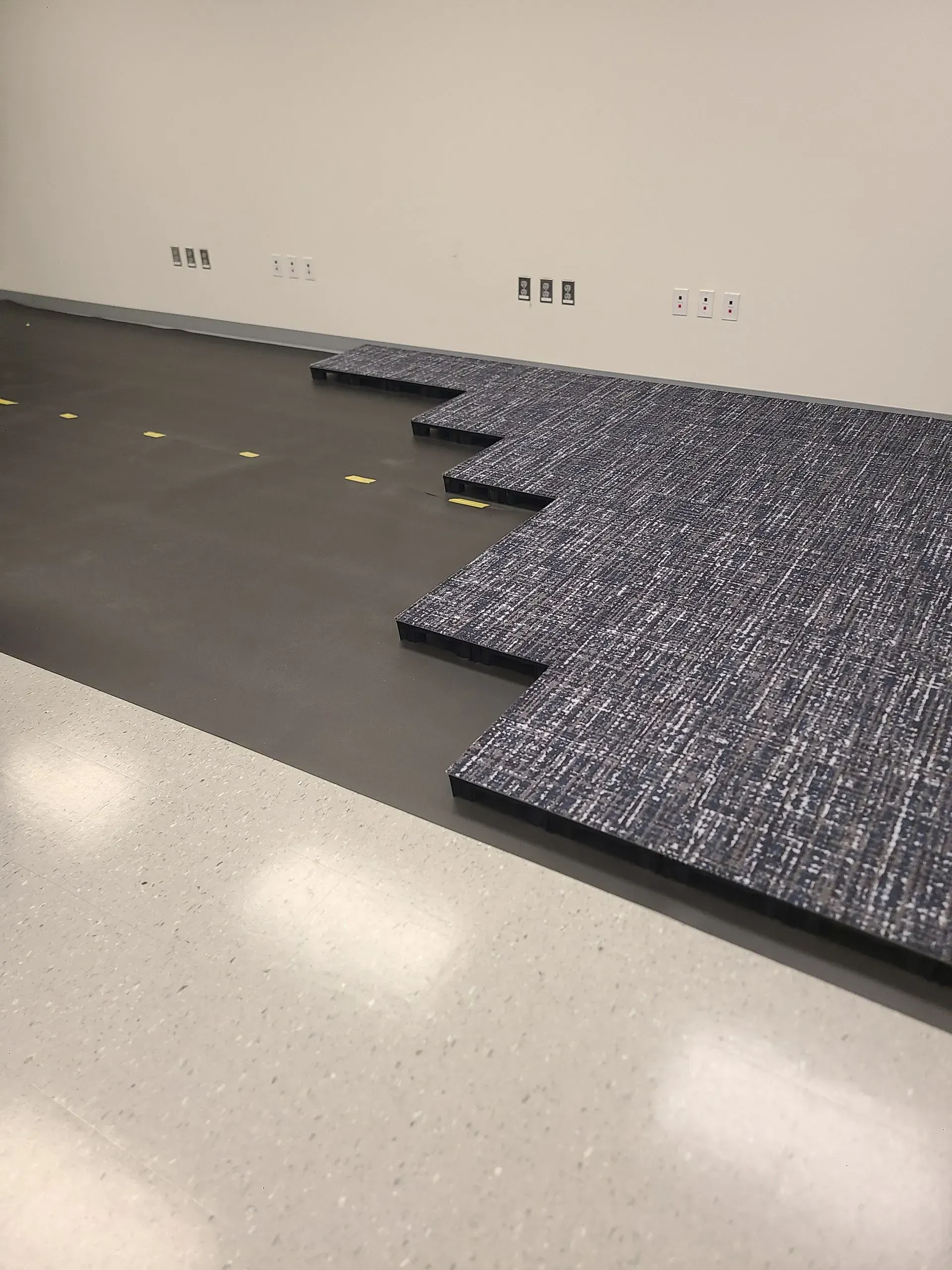
A raised access floor is an elevated flooring system that creates a cavity between the original floor and the surface. This cavity, often referred to as a plenum, is typically 4 to 24 inches high and can house cables, electrical wiring, plumbing, and HVAC ducts. The floor panels are removable, providing easy access for maintenance, upgrades, or reconfigurations without disturbing the rest of the workspace.
Core Components of Raised Access Floors
Raised floors consist of three main elements:
- Pedestals: Vertical supports anchored to the subfloor, providing the primary structural support.
- Stringers (optional): Horizontal supports connecting pedestals for added stability in heavy-duty applications.
- Floor Panels: Removable panels that form the walking surface, typically made from steel, aluminum, or high-density particleboard with a laminate or vinyl finish.
Common Materials Used
Different materials are selected based on performance requirements:
- Steel-Cored Panels: Highly durable, suitable for data centers and heavy traffic areas.
- Aluminum Panels: Lightweight and corrosion-resistant, ideal for industrial and office environments.
- Calcium Sulfate Panels: Fire-resistant and ideal for high-temperature zones or server rooms.
2. Applications in Modern Workspaces
Office Environments
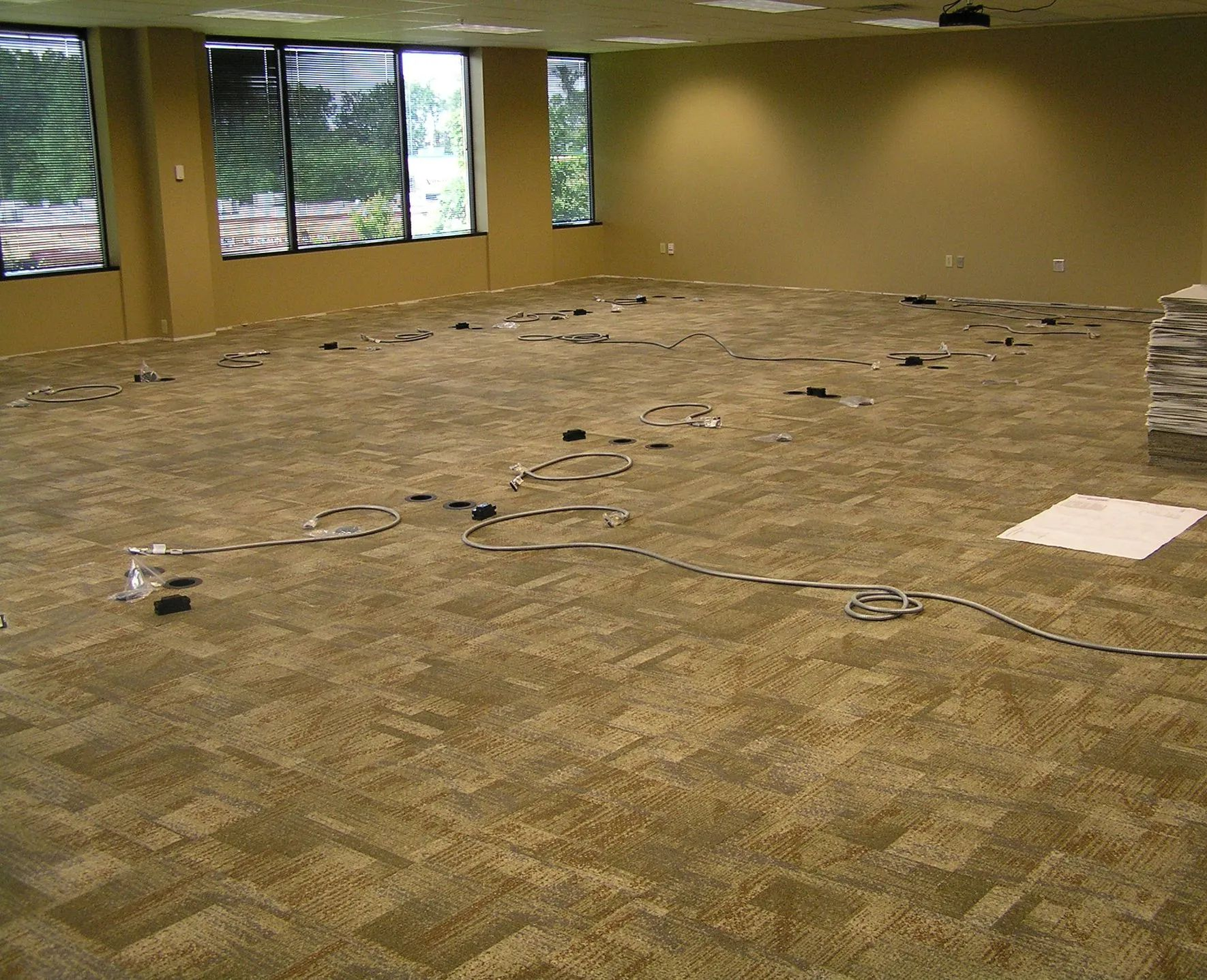
Raised access floors are particularly beneficial in office settings that require flexible layouts. Open-plan offices, for instance, can benefit from underfloor cable management systems, reducing the need for exposed wires and cluttered pathways. This not only improves aesthetics but also enhances safety and accessibility.
Example: A company planning to expand its workspace or add new departments can reroute power and network cables easily without extensive renovation, minimizing downtime and disruption.
Data Centers and IT Facilities
Data centers demand a high degree of organization and airflow management. Raised floors enable the installation of underfloor cooling systems, ensuring optimal temperature control for servers and electronic equipment.
Scenario: High-density server rooms often face overheating risks. Using raised access floors allows cold air to circulate efficiently beneath equipment, extending hardware lifespan and maintaining operational reliability.
Educational and Healthcare Spaces
In schools, universities, and hospitals, raised floors facilitate adaptable layouts for classrooms, laboratories, and medical equipment. They allow for quick modifications, essential for evolving technological needs and safety regulations.
3. Key Benefits of Raised Access Floors
1. Enhanced Cable Management
2. Flexibility and Adaptability
3. Improved Airflow and HVAC Efficiency
4. Challenges and Considerations
Cost Implications
While raised access floors offer long-term benefits, the initial investment can be significant compared to traditional flooring. Costs vary depending on materials, panel types, and installation complexity.
Insight: For organizations planning long-term infrastructure, the initial cost is often offset by future savings in maintenance and flexibility.
Structural Requirements
Buildings must support the additional weight of raised floors, especially in heavy-duty environments like data centers. Consulting structural engineers is critical to ensure safety and compliance.
Tip: Evaluate load capacity, seismic considerations, and local building codes before installation.
Maintenance Needs
Although raised floors simplify access, proper maintenance is essential to avoid dust accumulation, cable damage, or HVAC inefficiencies. Scheduled inspections and cleaning protocols help maintain performance.
Limited Height for Certain Spaces
The plenum height can be a limitation in areas with low ceilings. Careful planning is required to balance floor height with room aesthetics and functionality.
5. Best Practices for Installation and Use
Planning and Layout
Successful raised floor installation begins with detailed planning. Identify high-traffic zones, cable paths, HVAC requirements, and potential future expansions.
Recommendation: Create a layout map of all utilities under the floor to avoid conflicts and streamline future upgrades.
Choosing the Right Materials
Material selection depends on usage and environment:
- Offices: Steel or aluminum panels with a laminate finish.
- Data centers: High-density steel or calcium sulfate panels for load-bearing capacity and fire resistance.
- Industrial environments: Aluminum or steel panels with anti-slip surfaces for safety.
Proper Installation Techniques
Engage professional installers to ensure panels, pedestals, and stringers are correctly aligned and secured. Improper installation can compromise structural integrity and safety.
Example: Uneven panels in a data center can lead to unstable server racks or uneven airflow, affecting equipment performance.
Regular Maintenance
- Inspect panels and pedestals periodically.
- Clean plenum spaces to prevent dust buildup.
- Check for damaged cables and replace as necessary.
Planning for Future Expansion
Raised floors are designed with adaptability in mind. Leave extra capacity in the plenum for future cabling, equipment, or airflow adjustments.
6. Future Trends in Raised Access Flooring
Smart Flooring Systems
Sustainable and Eco-Friendly Materials
Modular and Lightweight Designs
Integration with Modern Office Technology
Reliable Raised Flooring Services with Proven Experience
At Powerflor USA Inc, we specialize in comprehensive access floor solutions, delivering reliable, high-quality installations for a variety of commercial and industrial settings. Based in Gaithersburg, Maryland, with over 25 years of experience, our team understands the evolving needs of modern workspaces. We provide expert guidance on selecting materials, designing layouts, and implementing raised floor systems that optimize both functionality and aesthetics.
Our approach combines industry-leading techniques with hands-on experience to ensure every project is executed with precision and care. From initial consultation to final installation and maintenance, we prioritize client satisfaction, efficiency, and safety. Organizations across Maryland and beyond trust Powerflor USA Inc
for solutions that enhance workspace adaptability, simplify cable management, and support sustainable infrastructure. By partnering with us, businesses gain not only a durable flooring system but also a strategic advantage, ensuring their facilities remain future-ready, scalable, and efficient.