
How Raised Access Floors Improve Cable Management, Airflow, and Future Expansion
March 26, 2026
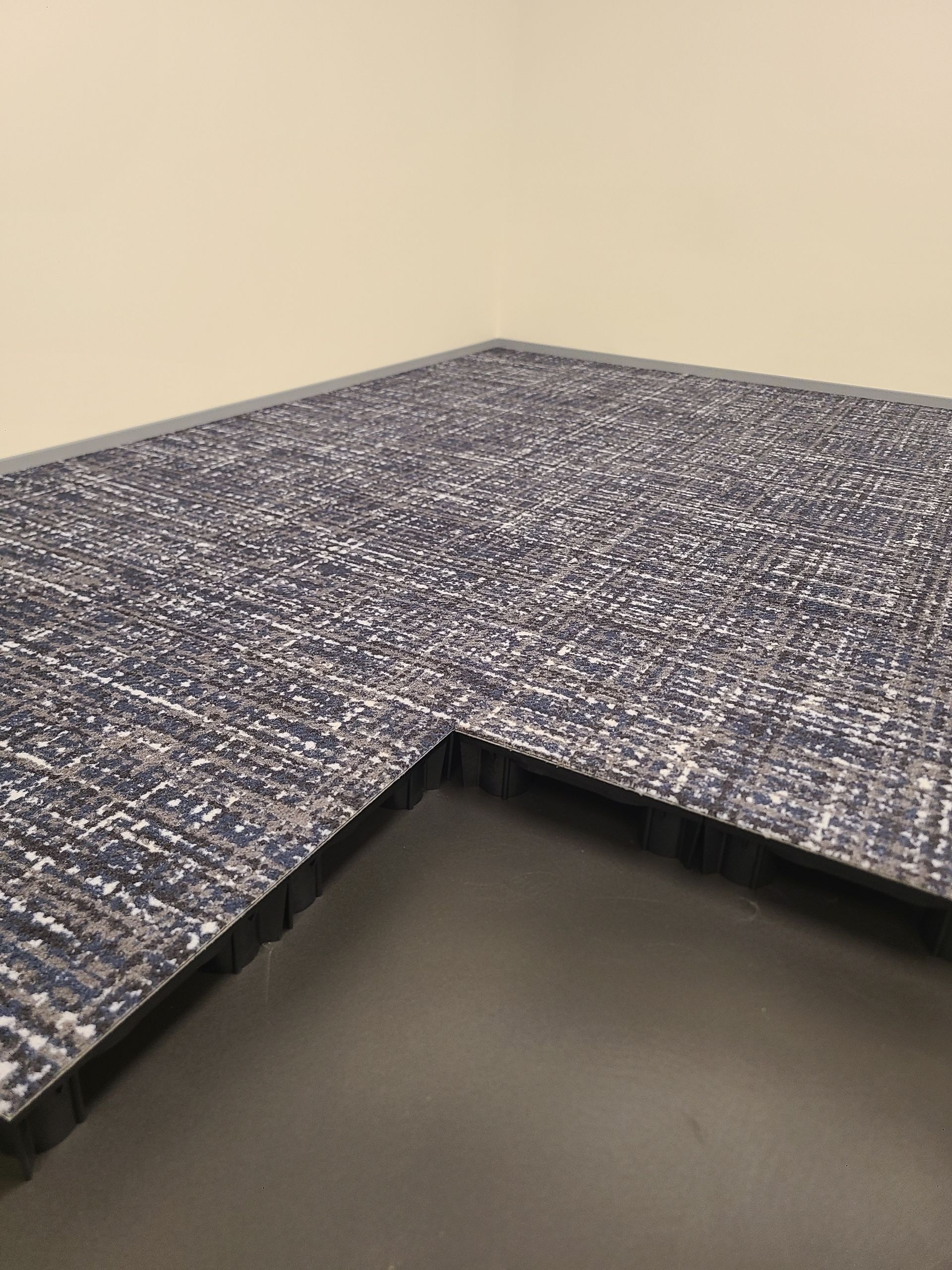
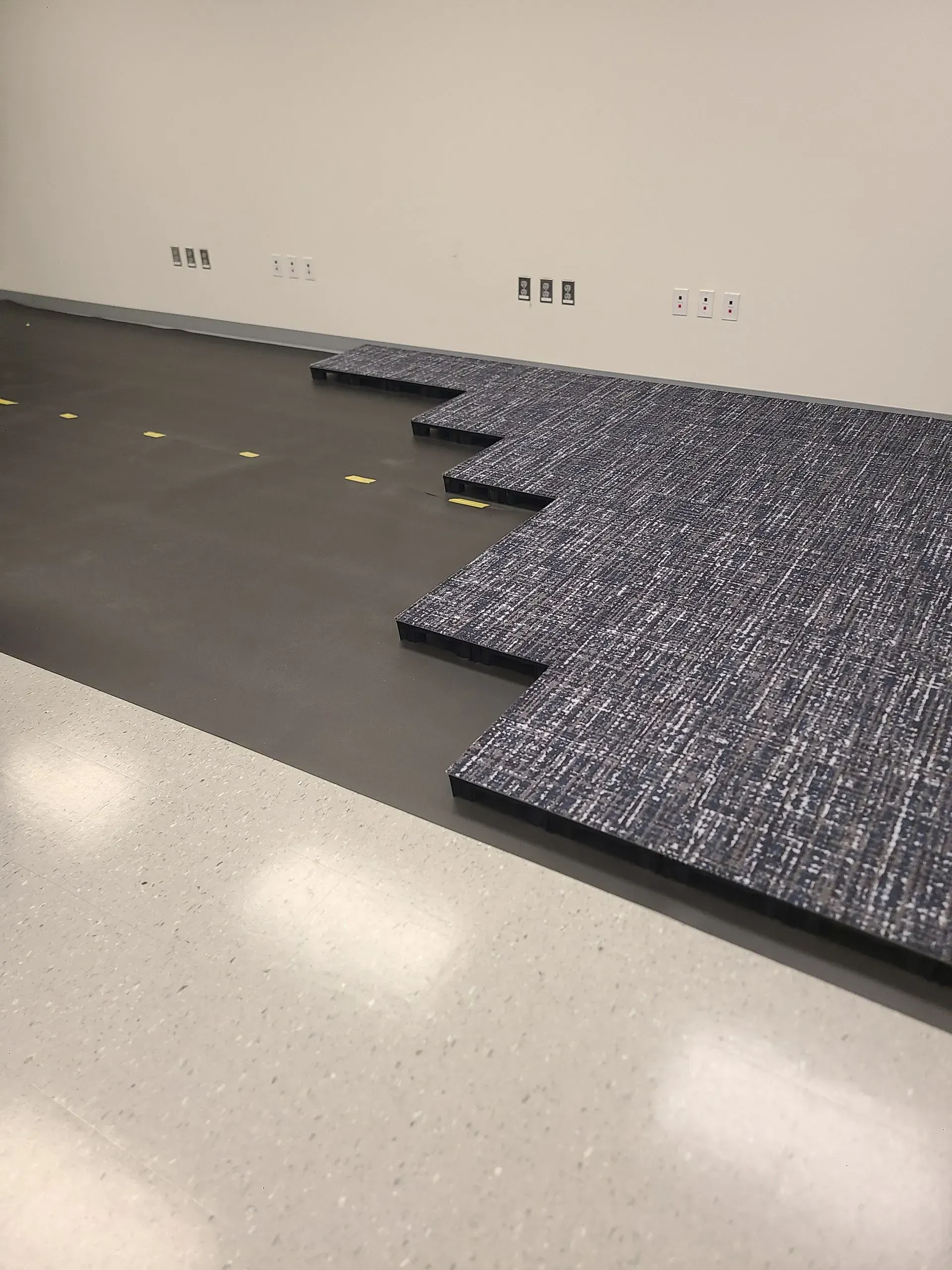
In today’s fast-paced business and technology environments, efficiency, flexibility, and safety are more than just operational goals—they are strategic imperatives. Modern offices, data centers, and commercial spaces demand solutions that accommodate complex infrastructure while maintaining a clean, organized environment. Among the most effective strategies for achieving this is the implementation of raised access flooring. These systems elevate the floor above the structural slab, creating an accessible void that serves as a hidden conduit for electrical, data, and mechanical services. Beyond aesthetics, raised floors enable streamlined cable management, improved airflow, and adaptability for future technological expansions, addressing challenges that conventional flooring systems cannot handle.
As organizations grow and technology evolves, the ability to modify infrastructure without extensive downtime becomes critical. Raised access floors provide a flexible foundation for managing these changes efficiently. From facilitating neat cable routing to optimizing cooling for sensitive equipment and supporting future upgrades with minimal disruption, they have become essential for modern building design. Understanding the practical advantages of raised flooring systems is vital for facility managers, IT professionals, and architects seeking to enhance operational efficiency, reduce costs, and future-proof their spaces. This guide explores how raised access floors contribute to better cable management, airflow, and scalable growth
Optimizing Cable Management with Raised Floors
Simplified Routing of Electrical and Data Cables
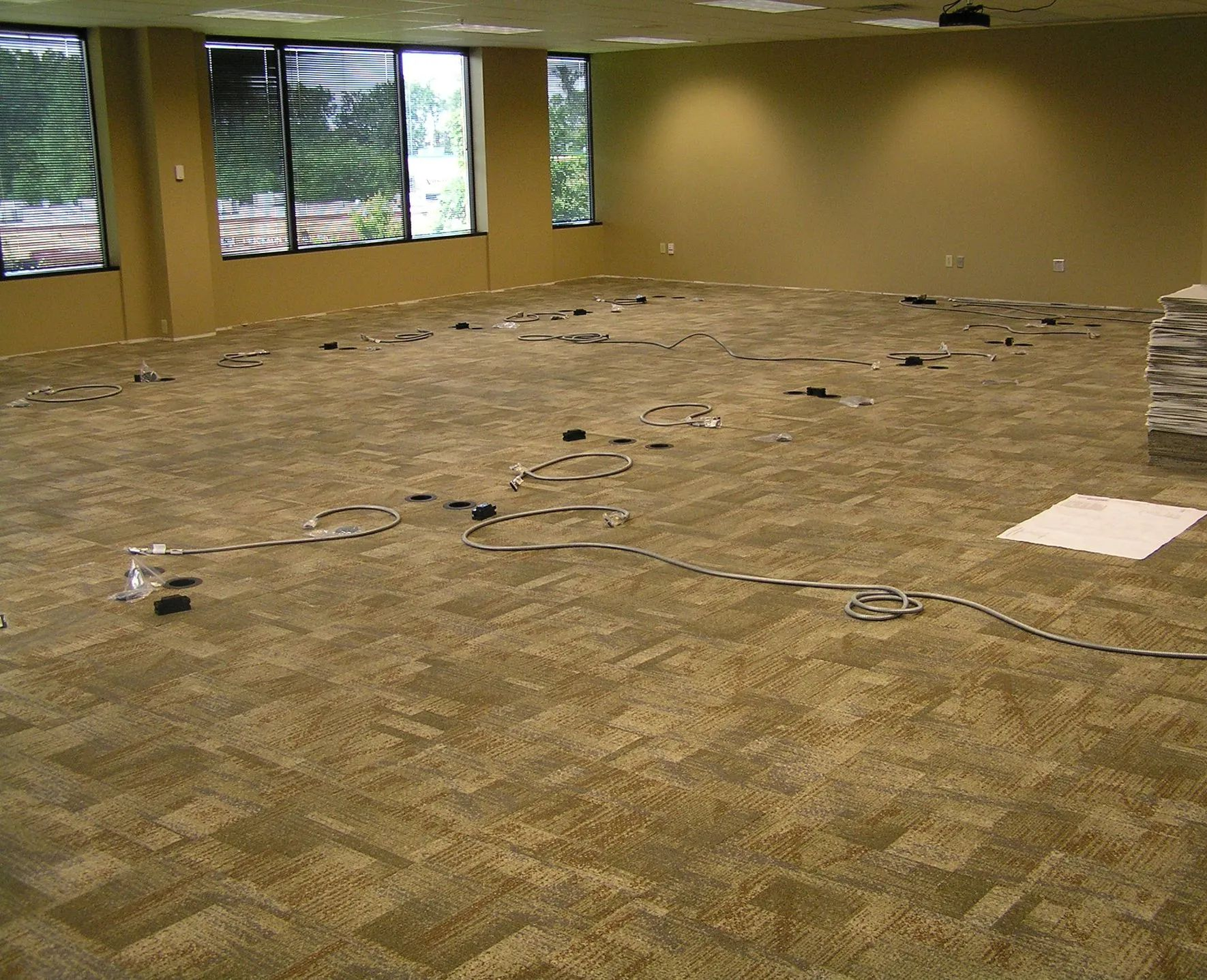
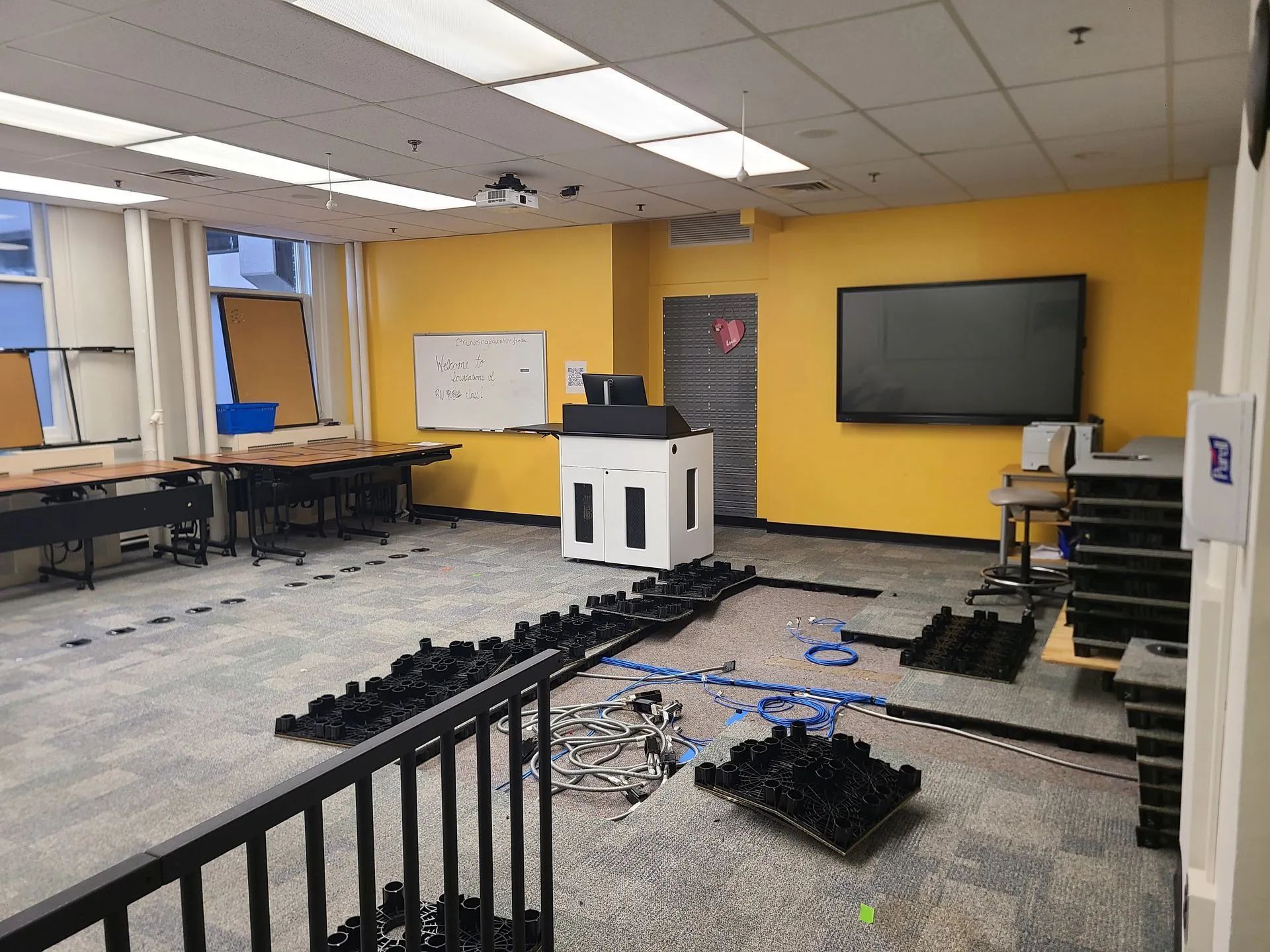
One of the primary advantages of raised access floors is their ability to centralize electrical and data cabling in a safe and organized manner. Traditional flooring often relies on exposed conduits or overhead wiring, which can create cluttered, hazardous workspaces. By using raised floors, cables can run underneath the surface in an accessible plenum, reducing tripping hazards, simplifying maintenance, and improving the overall appearance of office and data center environments without disrupting operations.
Technicians benefit from modular panels that allow access to specific areas without removing large sections of flooring. This modularity speeds up troubleshooting and maintenance, particularly in critical IT and server environments. For instance, data centers can separate high-voltage power lines from sensitive data lines underneath the raised floor, reducing electromagnetic interference. The result is a cleaner, safer, and more reliable infrastructure capable of supporting modern technology needs while maintaining operational continuity.
Improved Safety and Compliance
Exposed cabling presents multiple safety hazards, including electrical shocks, fire risks, and accidental disconnections. Raised access floors mitigate these risks by routing all wiring underneath the floor in a controlled environment. This setup also makes it easier to comply with electrical codes and industry standards, as high-voltage circuits and sensitive data lines remain safely separated. Proper underfloor cable organization reduces workplace hazards while maintaining operational efficiency, ensuring both employee safety and regulatory compliance in modern facilities.
Scalability and Future-Proofing
Businesses evolve constantly, and cabling requirements often expand alongside technological upgrades. Raised access floors provide the flexibility to accommodate these changes without requiring invasive construction. Adding new lines, upgrading networking infrastructure, or implementing smart building technologies can all occur efficiently under the modular floor system. By providing easy access to underfloor cabling, raised floors help organizations scale their operations, minimize downtime, and maintain a future-ready environment capable of supporting evolving electrical and data infrastructure demands.
Enhancing Airflow and Cooling Efficiency
Underfloor Air Distribution (UFAD) Systems
Raised access floors improve HVAC efficiency by creating an underfloor plenum that distributes conditioned air directly to occupied zones. Unlike conventional overhead duct systems, underfloor air distribution (UFAD) provides precise airflow to targeted areas, enhancing occupant comfort while reducing energy consumption. By directing air efficiently, raised floors support temperature control for diverse spaces, from offices to data centers, while reducing overall cooling costs. The system also enables scalable adjustments to airflow as space requirements change over time.
Targeted Cooling for Critical Equipment
Data centers and server rooms generate significant heat, making cooling efficiency essential for equipment longevity and reliability. Raised floors allow conditioned air to be delivered directly to equipment intakes, ensuring consistent temperatures and preventing hotspots. By optimizing airflow under the floor, servers and other high-performance devices maintain optimal operating conditions, which reduces the risk of overheating, lowers energy waste, and extends hardware lifespan. This method is far more efficient than relying solely on traditional ceiling-based HVAC systems.
Flexibility in Airflow Design
Raised floors provide the adaptability to modify airflow without expensive renovations. Adjustable perforated tiles or vent panels can be moved or resized to accommodate changes in equipment layout, increased heat loads, or reconfigured office spaces. This modular airflow design allows facility managers to maintain efficient cooling, respond quickly to infrastructure updates, and reduce energy costs. As buildings evolve, the raised flooring system ensures that air distribution can adapt seamlessly to future operational and environmental requirements
Facilitating Future Expansion and Adaptability
Real-World Applications and Benefits
Data Centers and IT Environments
Raised floors are integral to data center design, enabling organized cable management, efficient cooling, and rapid infrastructure upgrades. Many IT facilities separate power and data circuits under raised floors to prevent electromagnetic interference and improve reliability. Additionally, underfloor airflow provides targeted cooling to servers and critical equipment. The combination of organized wiring and efficient ventilation supports operational stability, energy savings, and the ability to scale systems quickly, meeting the evolving demands of modern IT environments
Commercial Office Spaces
Modern offices require flexible layouts to accommodate changing workforce needs. Raised floors allow companies to reconfigure workstations, install new networking equipment, and expand infrastructure without major renovations. For example, tech companies often deploy modular flooring to support collaborative areas, high-density connectivity, and smart office devices. By enabling seamless upgrades and reconfigurations, raised floors provide adaptability, cost savings, and minimal operational disruption, creating a work environment that supports both current and future business needs.
Industrial and Laboratory Settings
Laboratories and industrial environments rely on raised floors for safety, efficiency, and precise environmental control. Sensitive equipment often requires stable temperature and airflow conditions, which are facilitated by underfloor air distribution. Raised floors also protect cables from accidental damage, reducing safety risks and operational interruptions. By combining organized infrastructure with efficient airflow, these environments maintain high performance standards, improve safety, and support future equipment or technological upgrades, making raised floors a critical design component
Challenges and Best Practices
Common Challenges
Despite their advantages, raised access floors have challenges. Improper installation can create uneven panels, airflow inefficiencies, or insufficient load-bearing capacity. Maintenance requires awareness of underfloor systems to prevent accidental damage to cables or ducts. Facility managers must monitor underfloor conditions to ensure safety, structural stability, and consistent performance. Awareness of these challenges is essential for maximizing operational efficiency and protecting infrastructure investments while taking full advantage of the benefits offered by raised access flooring systems.
Best Practices for Maximizing Benefits
Plan layouts carefully by mapping cabling, airflow, and future expansion needs prior to installation. Use durable, high-quality panels and support systems to ensure long-term stability. Conduct periodic inspections to maintain airflow efficiency and prevent accidental damage. Incorporate modular designs, including adjustable vent panels and removable tiles, to enable flexibility. Following these best practices ensures raised floors deliver maximum efficiency, safety, and scalability, supporting the evolving needs of modern commercial and technological environments
Expertly Engineered Floors for Modern Infrastructure Needs
For companies seeking reliable access floor solutions, Power Flor USA Inc, based in Gaithersburg, Maryland, offers over 25 years of expertise in delivering high-quality, customizable flooring systems. Specializing in raised floors for commercial, industrial, and IT applications, Power Flor USA Inc has helped organizations optimize cable management, airflow, and future growth with professional, precision-driven solutions. Our team works closely with clients to design systems tailored to their current needs while ensuring scalability for the future. Trusted by businesses nationwide, Power Flor USA Inc combines industry-leading products, skilled installation, and ongoing support to ensure infrastructure efficiency and long-term value.