
How to Choose the Right Raised Access Floor System for Your Project (Builder’s Checklist)
April 30, 2026
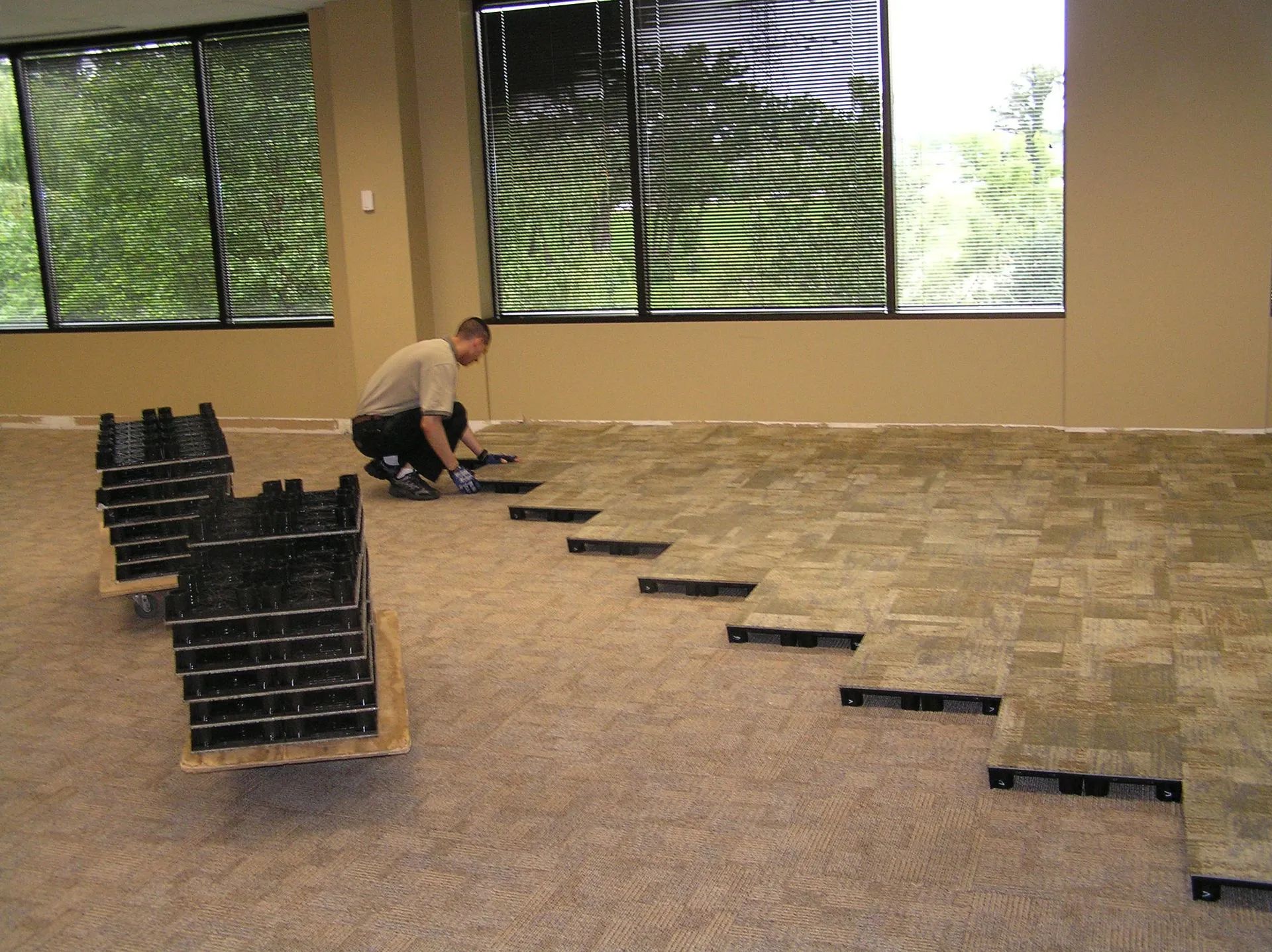
In modern construction, a raised access floor system has become an essential component for commercial, industrial, and even residential projects. This innovative flooring solution offers significant benefits, including the flexibility to manage wiring, HVAC systems, and other utilities, all while maintaining an organized, clean, and aesthetically pleasing space. Whether you’re constructing a data center, an office building, or a laboratory, choosing the right raised access floor system is crucial to ensuring optimal performance and longevity of your space.
Selecting a raised access floor system may seem daunting at first, with multiple considerations involved in the decision-making process. These include the type of environment, specific functional needs, and long-term durability. By understanding the components, benefits, and types of raised access flooring systems available, you can make an informed decision that aligns with both your project's requirements and budget. This guide aims to provide a comprehensive checklist to help builders and project managers select the best raised access floor solution for their next build.
1. Understand Your Project’s Specific Requirements
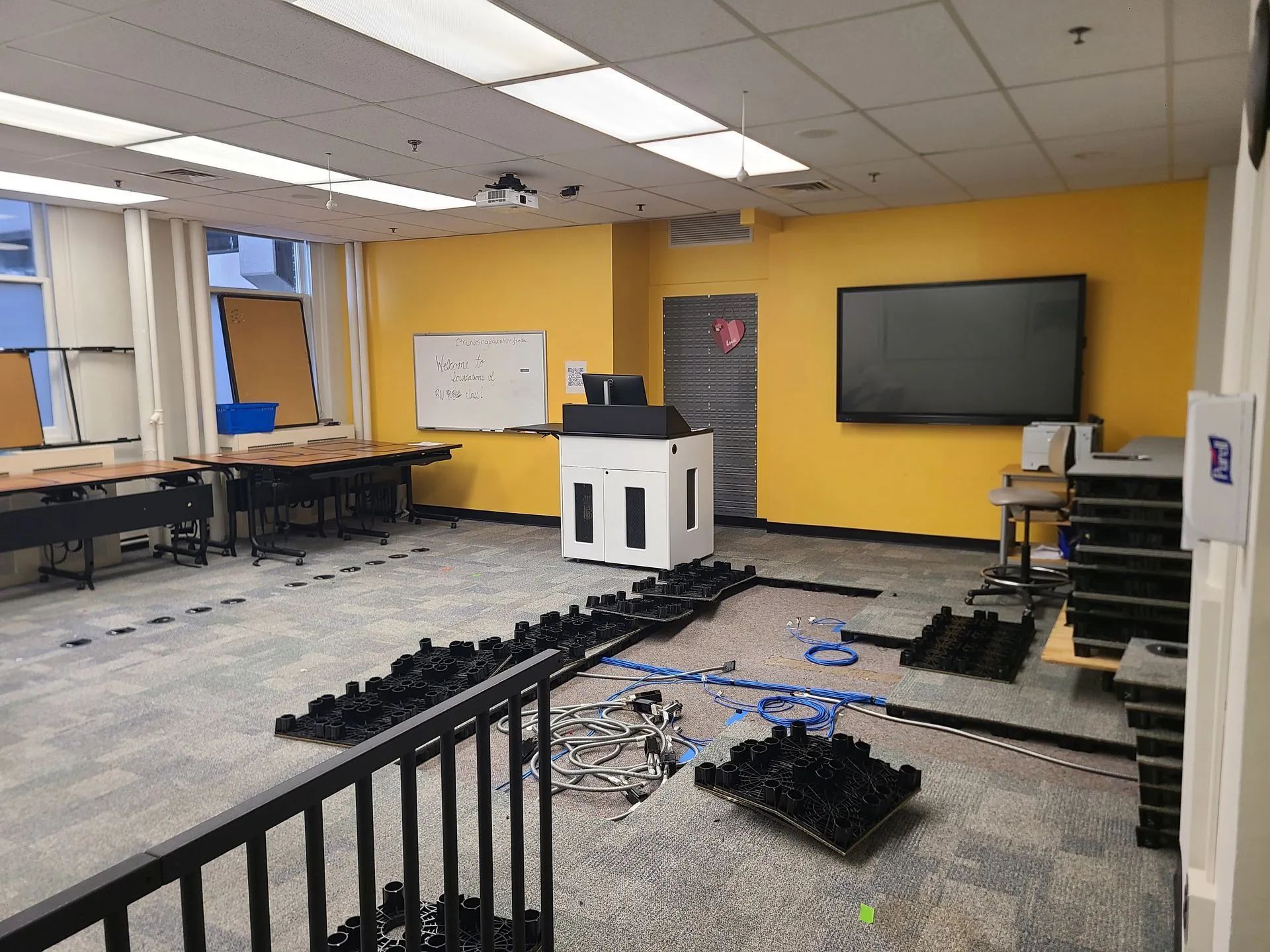
The first step in choosing the right raised access floor system is to have a clear understanding of the specific needs of your project. Different environments demand different types of flooring systems. For instance, a data center will require robust, heavy-duty flooring capable of supporting sensitive equipment and providing sufficient airflow. On the other hand, an office environment may prioritize aesthetics, ease of maintenance, and cable management features.
1.1 Load-Bearing Capacity
A raised access floor system's load-bearing capacity is one of the most critical factors to consider. Systems designed for office spaces may not be strong enough to support the heavy equipment found in data centers or control rooms. Assess the weight of the equipment and furniture that will be placed on the floor. For areas with high foot traffic or heavy loads, choose systems with higher load-bearing capacity.
1.2 Environmental Factors
Different environments, such as commercial buildings, data centers, and industrial facilities, all have specific environmental factors to consider. For example, temperature and humidity can affect the material choice for the raised floor. In areas with moisture or risk of corrosion, a system made from corrosion-resistant materials like galvanized steel or aluminum may be more suitable.
2. Types of Raised Access Floors
Raised access floors come in several varieties, each designed for different applications. The choice of type will depend on the intended use of the space and the weight requirements.
2.1 Solid Core Panels
Solid core panels are the most common type of raised access floor, typically made of wood core or composite materials. These panels offer high strength and load-bearing capacity, making them suitable for spaces like offices, schools, or commercial buildings where general use is expected.
2.2 Metal or Steel Core Panels
For more demanding applications like data centers or laboratories, metal or steel core panels provide additional strength, durability, and fire resistance. These panels often come with anti-static finishes, making them an excellent choice for environments that house sensitive electronic equipment.
2.3 Carpeted Panels
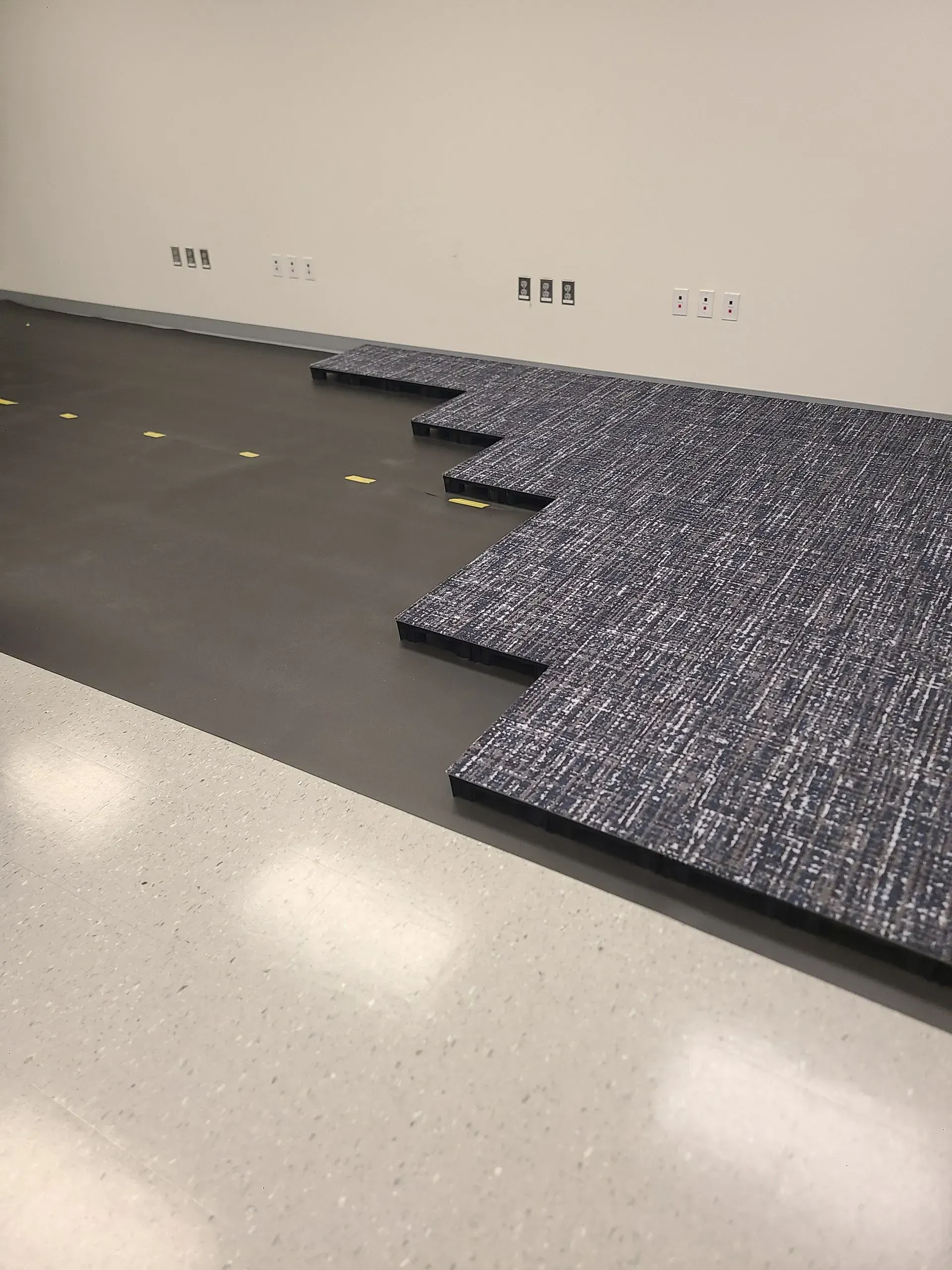
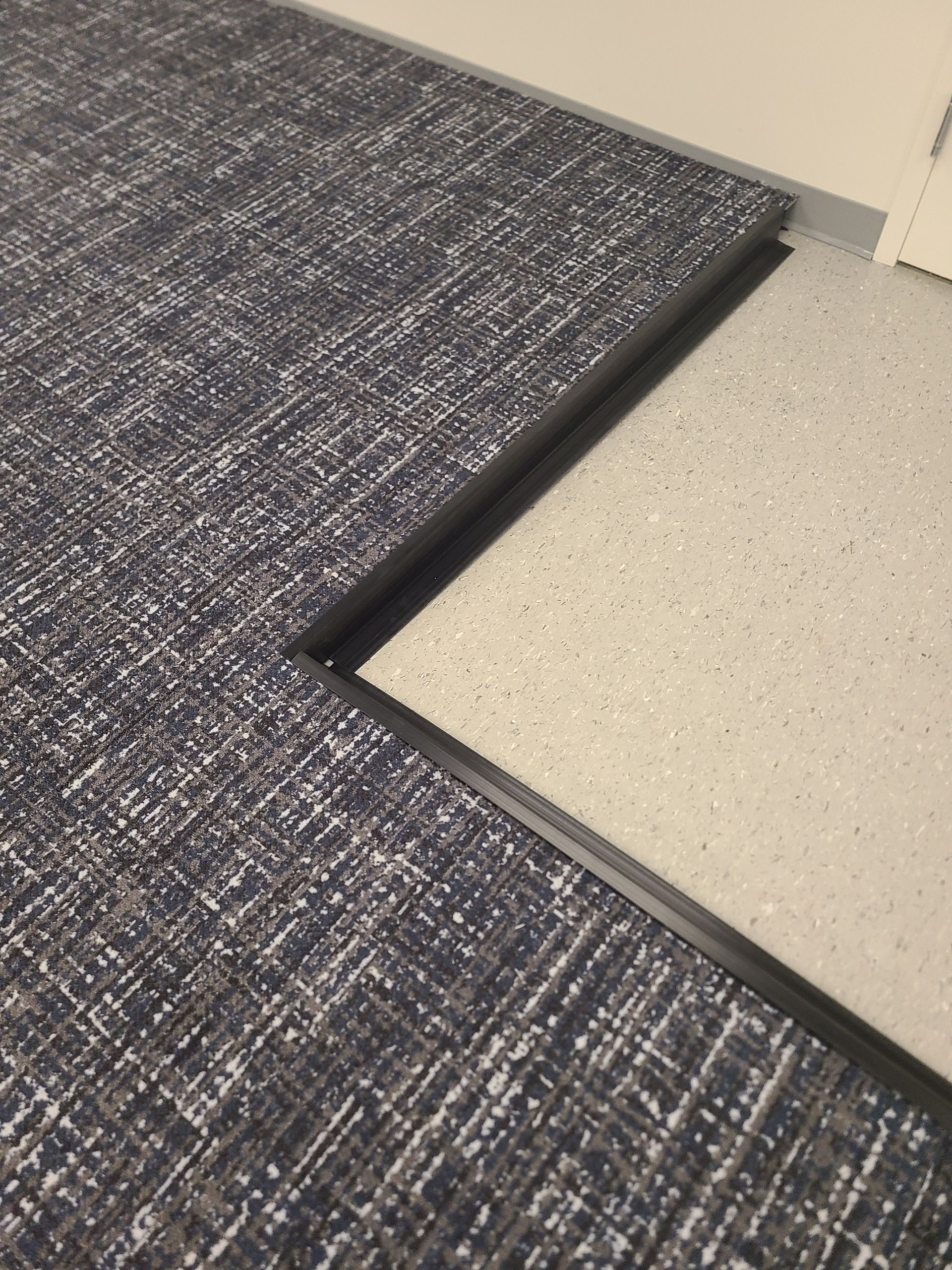
Carpeted raised access floors are commonly used in office environments where aesthetics and comfort are important. They are also designed for easier installation and maintenance, making them a practical option for commercial spaces. However, they may not provide the durability required for heavy-duty applications.
2.4 Anti-Static or Conductive Floors
For environments like server rooms or electronic manufacturing areas, anti-static or conductive floors are essential. These systems are equipped with grounding systems that protect sensitive equipment from electrical damage. They are designed to discharge static electricity, ensuring the safety of the equipment and employees.
3. Consider the Panel Size and Configuration
Raised access floor panels come in a range of sizes and configurations. The panel's size and layout should match the design and layout of the room or building.
4. Material Selection and Durability
The materials used in constructing the raised access floor system directly impact its performance, longevity, and maintenance requirements. Different materials are better suited for various conditions, and selecting the right one will help ensure the floor performs optimally throughout its lifespan.
4.1 Wood Core vs. Metal Core
Wood core panels are typically more cost-effective and provide a decent level of durability for most general applications. However, for high-traffic areas or spaces with heavier loads, metal core panels offer superior strength and resistance to wear and tear. Metal panels are also better equipped to withstand environmental challenges such as moisture or corrosion.
4.2 Environmental Resistance
Consider the floor's resistance to moisture, fire, and chemicals. In spaces like laboratories or industrial settings, where hazardous materials might be present, choosing a system that offers chemical resistance can prolong the lifespan of your flooring and ensure safety. For areas prone to high humidity or temperature fluctuations, selecting materials with better resistance to such factors is essential.
4.3 Aesthetic Appeal
While durability is essential, the look and feel of the raised floor system also matter, particularly in commercial and office spaces. Flooring systems with attractive finishes or coverings, such as vinyl or carpeting, help to integrate the floor system seamlessly with the overall aesthetic of the building. It’s essential to balance the functional and aesthetic elements when selecting the material.
5. Installation and Maintenance Considerations
The ease of installation and future maintenance requirements should not be overlooked when selecting a raised access floor system. An easy-to-install system can save valuable time and labor costs, while a system designed with long-term maintenance in mind can reduce future repair costs.
5.1 Installation Process
Some systems are easier to install than others, particularly those designed for smaller spaces or offices. However, more complex projects—like large data centers or industrial facilities—may require specialized installation expertise. When selecting a system, consider the ease of installation and whether you need professional assistance. Modular systems are often easier to install and reconfigure compared to traditional systems.
5.2 Long-Term Maintenance
Maintenance is key to the longevity of the raised access floor system. Choose a system that allows easy access to the plenum space for future upgrades and maintenance. It’s also crucial to check the warranty and support services offered by the manufacturer to ensure long-term reliability.
5.3 Cleaning and Repair
Look for systems that are easy to clean and repair. Floors in high-traffic areas tend to get dirty quickly, and a floor that can be quickly cleaned will reduce downtime. Additionally, consider a system that allows for easy panel replacement in case of damage.
6. Cost and Budgeting
Finally, cost plays a significant role in selecting a raised access floor system. Balancing cost with performance is crucial to finding a solution that meets both your functional needs and budget constraints. While it's tempting to opt for the cheapest option, cutting corners on quality can lead to higher maintenance costs and reduced lifespan.
6.2 Budgeting for Future Modifications
Expert Guidance for Choosing Raised Access Flooring
Choosing the right raised access floor system requires careful consideration of your project’s specific needs, including load-bearing capacity, material choice, and environmental factors. Understanding the different types of floors available, their strengths and weaknesses, and the installation and maintenance requirements will help ensure that you select the best solution for your space. By taking these factors into account, you can create an organized, durable, and efficient environment that enhances the functionality and longevity of your project.
With over 25
years of experience in providing top-tier raised access floor solutions, Powerflor USA Inc
has become a trusted name in the industry. Based in Gaithersburg, Maryland, we specialize in designing and installing access floor systems for a wide range of industries, from commercial office spaces to high-tech data centers. Our team works closely with clients to provide tailored solutions that meet the unique needs of each project. Whether you're looking to improve cable management, increase airflow, or create an adaptable flooring system, we have the expertise to ensure your success. Let us help you make the right choice for your next construction project.