
Access Floor Systems Explained: Why Architects and Facility Managers Prefer Them
May 15, 2026
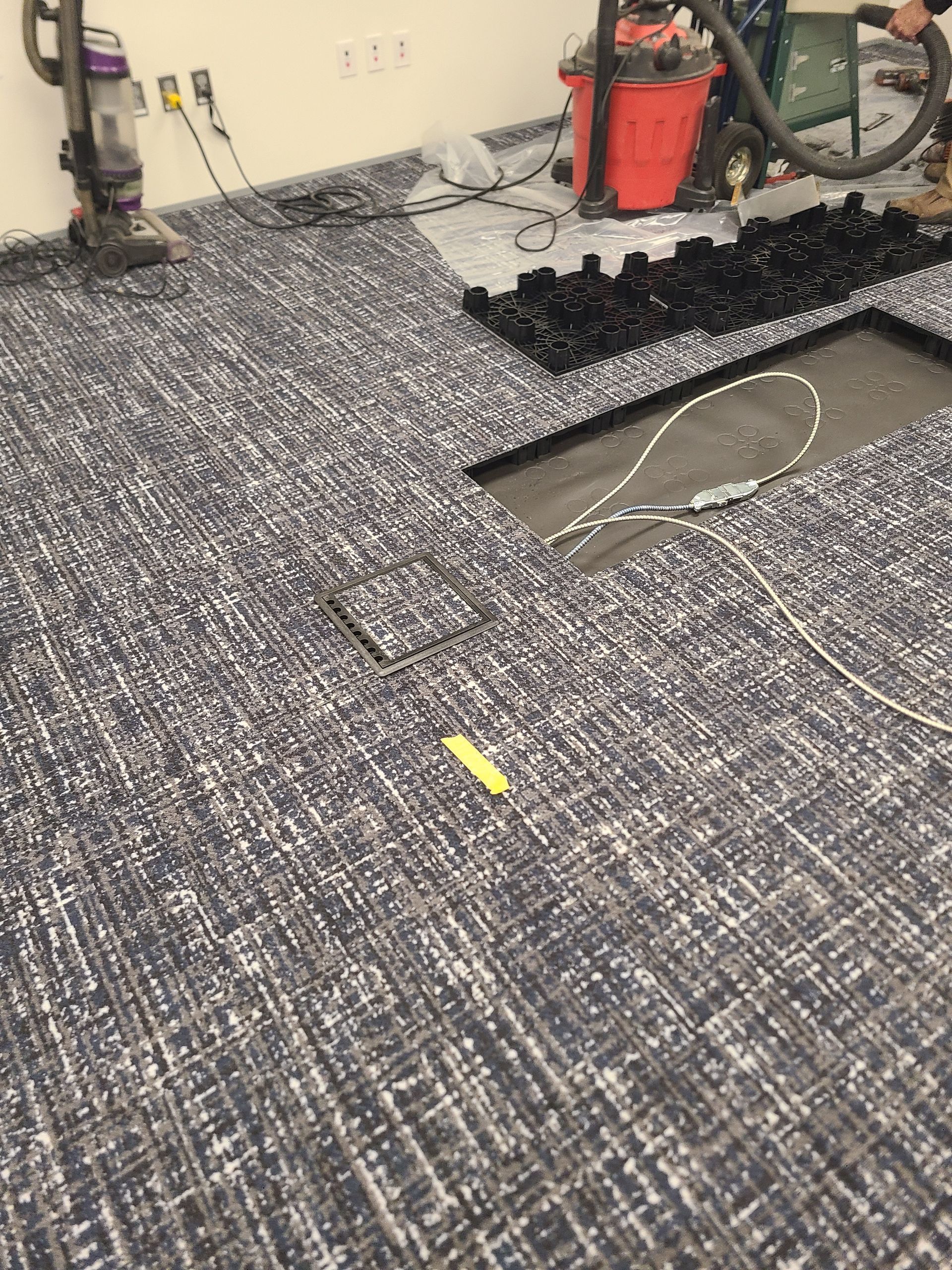
In the world of modern construction, efficiency and flexibility are paramount. With evolving technological needs, especially in commercial, data center, and office spaces, the demand for adaptable, efficient building systems has never been higher. This is where access floor systems come into play. They provide a unique solution for managing and distributing cables, wires, and utilities that are crucial for the smooth operation of contemporary buildings.
Access floor systems consist of raised flooring panels supported by pedestals, creating a void underneath the floor for the efficient management of electrical wiring, HVAC systems, data cables, and more. They are essential in settings where flexibility, ease of maintenance, and customization are priorities. Architects and facility managers are increasingly choosing these systems because they offer numerous advantages, such as ease of modification, quick upgrades, and reduced downtime during installations.
Whether designing a corporate office or constructing a high-tech data center, the growing reliance on these systems is shaping how facilities are built. The value of access floor systems extends beyond aesthetics; it touches on functionality, adaptability, and future-proofing a space. This blog will explore why architects and facility managers prefer access floor systems and how they enhance operational efficiency across industries.
1. What Are Access Floor Systems?
Understanding the Basics
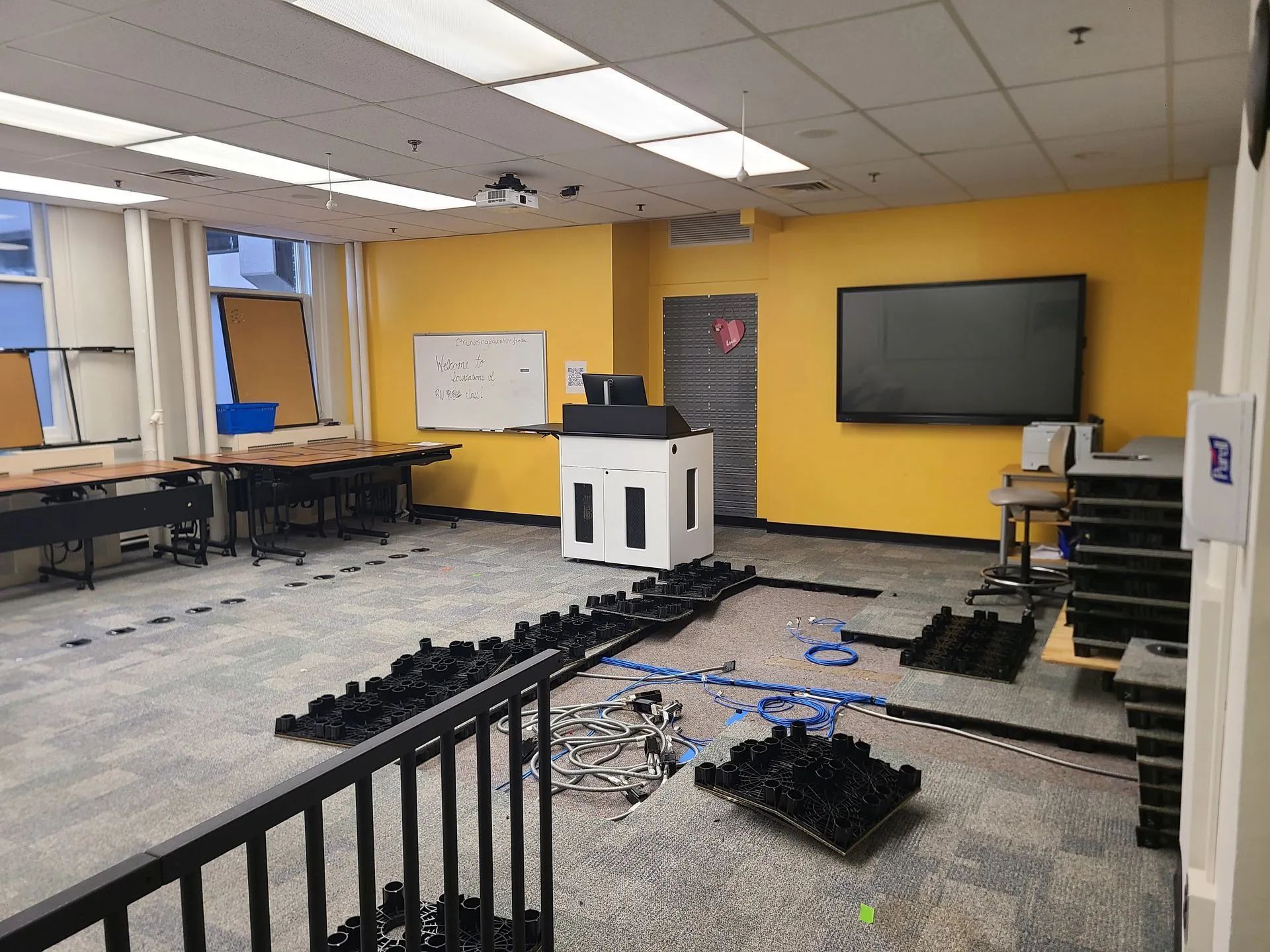
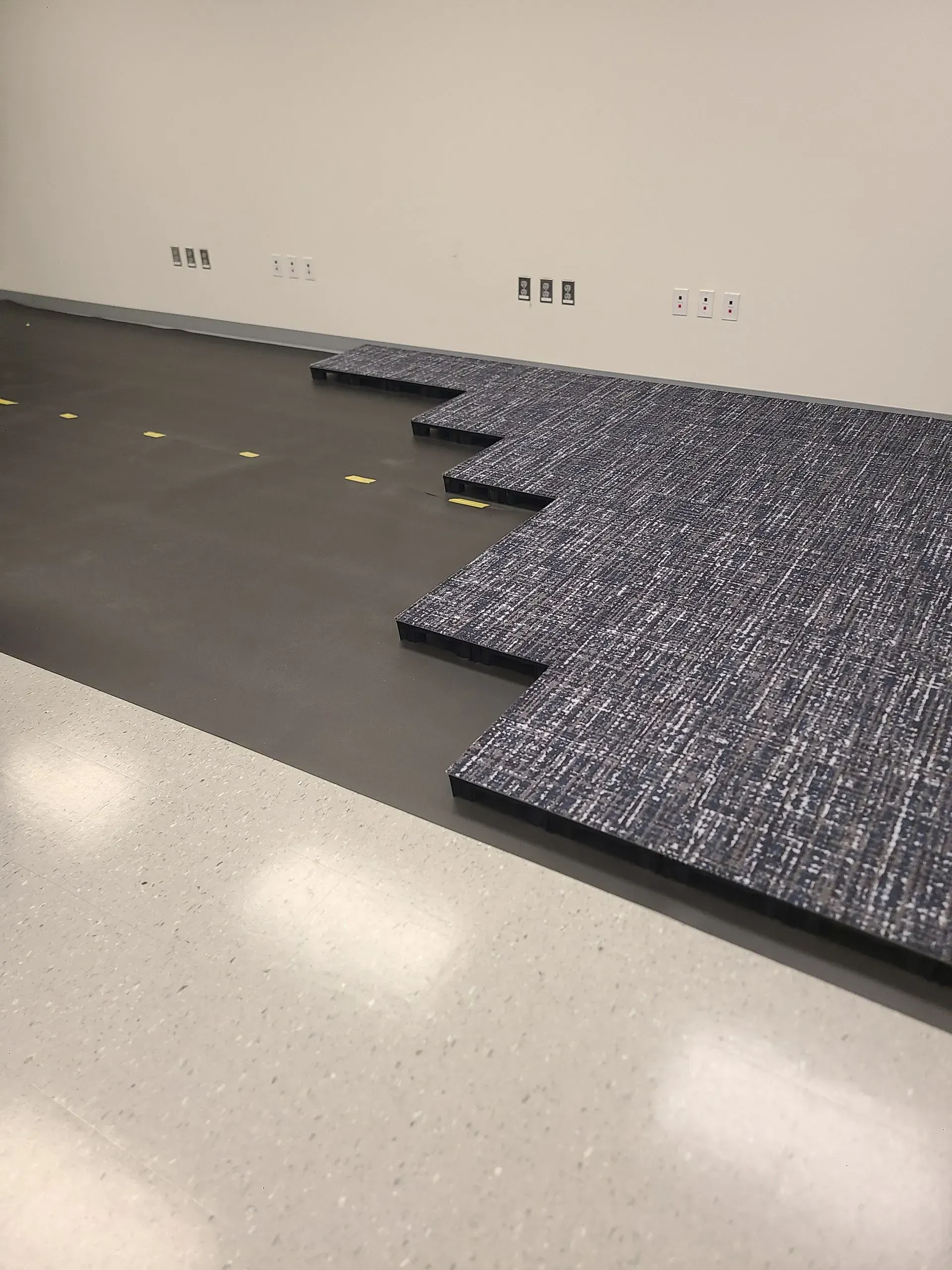
An access floor system is an elevated floor constructed above a solid substrate, creating a gap that allows for the easy passage of air, cables, and other utilities. The system comprises modular floor panels that rest on a grid of pedestals. This structure forms a cavity beneath the floor that can house power cables, data lines, HVAC ducts, and other essential building services.
How Access Floors Work
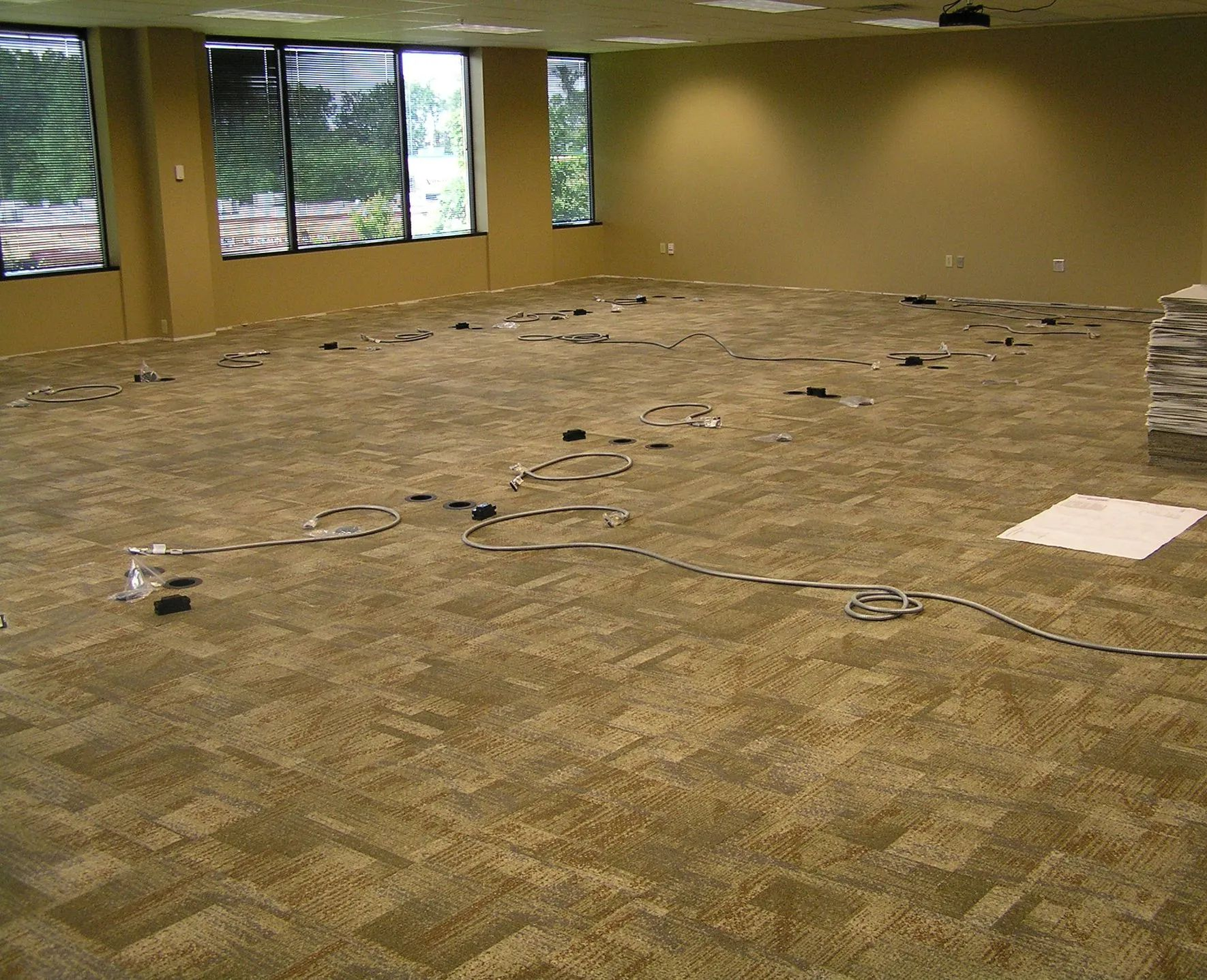
Access floors are typically installed with a grid-based support structure, where each pedestal holds the flooring panels at a specified height. This void underneath provides an efficient space for routing and concealing infrastructure like electrical and data cables. The system allows easy access to utilities for maintenance, upgrades, or troubleshooting without disrupting the operations of the space.
These floors can be designed in various configurations to accommodate the specific needs of the building. For instance, data centers require more height in the cavity to accommodate dense networks of cables, while office spaces might have a lower height to house just power cables and HVAC components.
2. Why Architects Prefer Access Floor Systems
Design Flexibility and Adaptability
Architects are constantly challenged with designing spaces that are both aesthetically pleasing and functional. Access floors offer unparalleled flexibility in terms of design. The modular nature of these systems allows for easy reconfiguration of the space, adapting to future needs without major renovations. For example, as a company expands or changes its office layout, access floors can be adjusted quickly, adding or moving cables and utilities with minimal disruption.
Moreover, these systems offer an opportunity for architects to design cleaner, more streamlined spaces by hiding cables and utilities beneath the floor, improving the overall visual appeal and reducing clutter.
Enhanced Space Planning
With access floors, architects can plan spaces more effectively. The ability to place utilities below the floor rather than in walls or above ceilings frees up valuable real estate. This is particularly useful in buildings with tight ceiling heights or in spaces where maximizing floor area is critical.
In office buildings, for instance, access floors help maintain a clean ceiling for lighting, HVAC, and sprinkler systems. In environments like data centers, the ability to route complex networks of cables below the floor improves both the organization and efficiency of the space.
3. Why Facility Managers Prefer Access Floor Systems
Ease of Maintenance and Upgrades
Improved Cable Management
4. The Benefits of Access Floor Systems in Specialized Environments
Data Centers
In highly specialized environments such as data centers, access floor systems are indispensable. These facilities require the careful management of a vast number of cables, electrical wiring, and cooling ducts. Access floors offer a convenient way to organize these systems, allowing for better airflow and easier management.
The raised floor also helps address issues like overheating. By ensuring that cooling ducts and electrical systems are separate and well-managed, access floors provide the ideal environment for sensitive equipment that needs precise temperature control.
Commercial and Office Spaces
Access floor systems are also popular in corporate office buildings, where flexibility is key. These systems allow companies to modify layouts quickly, adapting to changing needs. Office configurations, including workspace partitions, lighting, and technology setups, can be easily adjusted without disturbing the floor’s infrastructure.
Additionally, the ability to house data lines and electrical systems under the floor makes these environments more efficient and professional. It reduces the number of visible cables running through the office, creating a cleaner, more organized environment that enhances employee productivity and well-being.
Healthcare Facilities
Hospitals and healthcare facilities often rely on access floor systems for managing a variety of medical equipment and technology. These buildings require robust systems for handling power, data, and oxygen lines, all of which can be effectively managed with an access floor system. The raised floor allows for easier installation and maintenance of medical equipment, ensuring that technicians can access systems without disrupting critical hospital operations.
5. Challenges and Considerations with Access Floor Systems
Cost and Installation Complexity
While access floors offer numerous benefits, there are challenges to consider. One of the primary concerns is cost. The initial installation of an access floor system can be more expensive than traditional flooring options. The system requires specialized materials and expertise to ensure proper installation. However, over the long term, the cost savings from easier maintenance and upgrades often outweigh the initial investment.
Space Constraints and Height Limitations
The height of the access floor void can be a limiting factor in some building types. In buildings with low ceiling heights, it may not be possible to install a raised floor system that accommodates all necessary infrastructure. This issue can be mitigated by opting for a lower-profile access floor system, but this may require more precise planning and installation.
Additionally, for buildings that do not require extensive wiring or infrastructure beneath the floor, the benefits of a raised access floor may not justify the added complexity and cost. In such cases, traditional flooring options might be more appropriate.
6. Best Practices for Access Floor Installation
Reliable Infrastructure Support Through Access Flooring Systems
Access floor systems are a versatile and efficient solution for a wide variety of building types, from data centers to corporate offices and healthcare facilities. They offer numerous advantages, such as design flexibility, improved maintenance, better cable management, and the ability to easily accommodate future upgrades. For architects and facility managers, these systems are invaluable tools for creating functional, adaptable spaces that support the dynamic needs of modern technology.
As we reflect on the significance of access floors in contemporary architecture and facility management, it is clear that their ability to streamline building operations makes them an essential choice. At Powerflor USA Inc, we specialize in providing state-of-the-art access floor solutions that meet the unique needs of each project. With over 25
years of experience, our team has the expertise to deliver high-quality, customized
access floor systems that enhance the functionality and adaptability of your building. Located in Gaithersburg, Maryland, we are committed to offering innovative solutions that help architects, facility managers, and businesses stay ahead in an ever-evolving industry.