
Raised Access Floors vs Traditional Flooring: Which Is Better for Long-Term Efficiency?
February 23, 2026
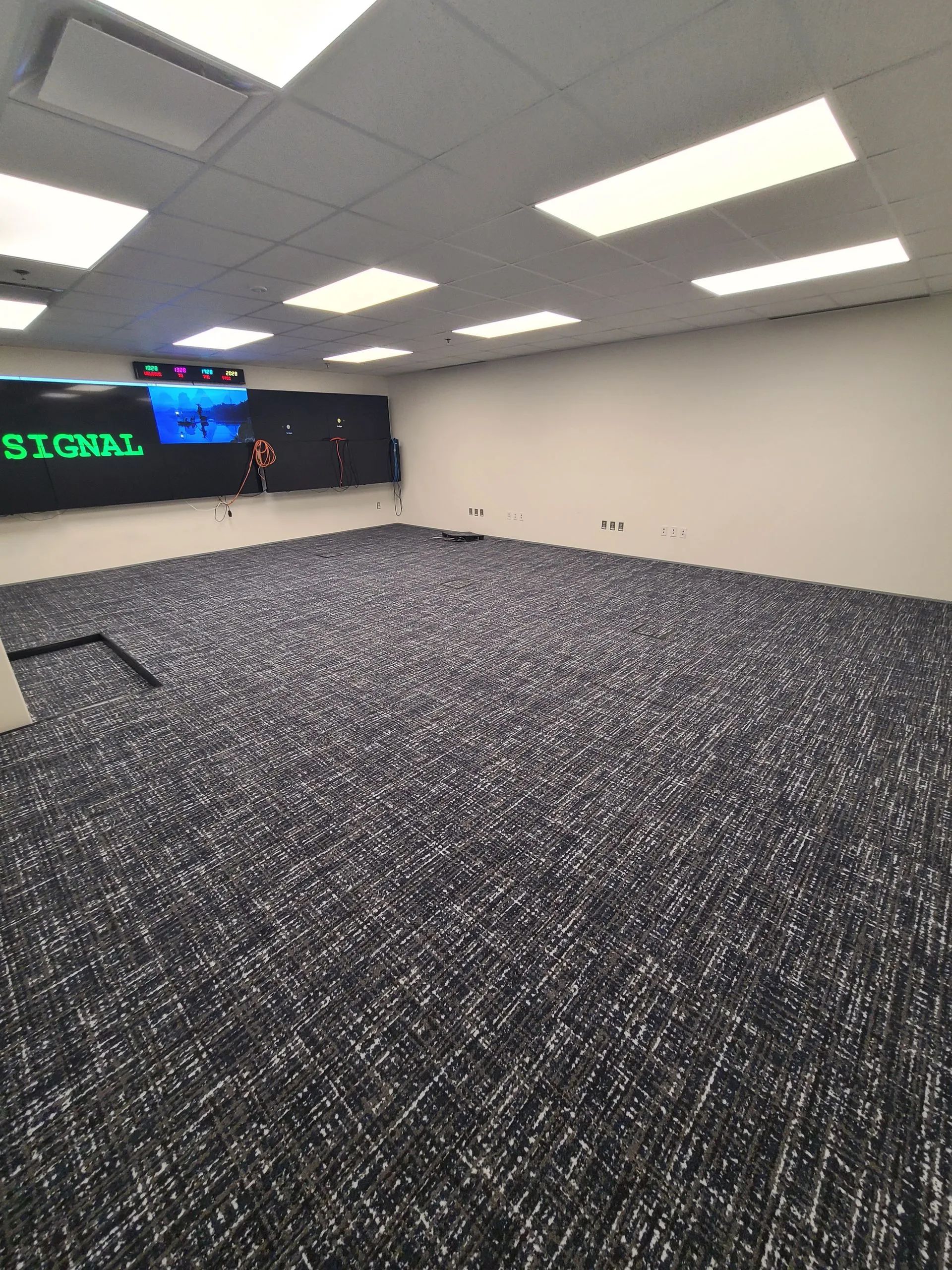
In today’s fast-paced commercial and industrial environments, flooring decisions are no longer merely aesthetic choices. The type of flooring installed in offices, data centers, laboratories, or manufacturing facilities can significantly impact operational efficiency, energy management, and long-term maintenance costs. Traditional flooring, such as concrete, hardwood, or vinyl, has been the go-to choice for decades due to its durability and familiarity. However, as technology-driven spaces become more complex, alternative solutions like raised access floors are gaining traction for their ability to integrate critical infrastructure beneath the surface while offering unparalleled flexibility. Beyond functionality, flooring choices also affect workplace ergonomics, acoustic performance, and overall employee productivity, making the right decision a critical part of strategic facility planning.
Raised access floors provide a versatile platform that allows for the concealment of electrical wiring, HVAC systems, and network cabling, enabling organizations to adapt their spaces without major structural modifications. On the other hand, traditional flooring solutions often lack this adaptability, potentially leading to costly renovations or downtime when upgrades are required. Understanding the distinct advantages, limitations, and practical applications of each flooring type is essential for facility managers, architects, and business owners seeking to maximize efficiency and reduce long-term operational costs. In addition, raised access floors support sustainability goals by enabling energy-efficient airflow management and simplified maintenance procedures, which can reduce both environmental impact and operational overhead over time. This article examines raised access floors and traditional flooring comprehensively, providing insights to determine which solution delivers superior long-term efficiency in modern commercial spaces.
Understanding Raised Access Flooring
What Is Raised Access Flooring?
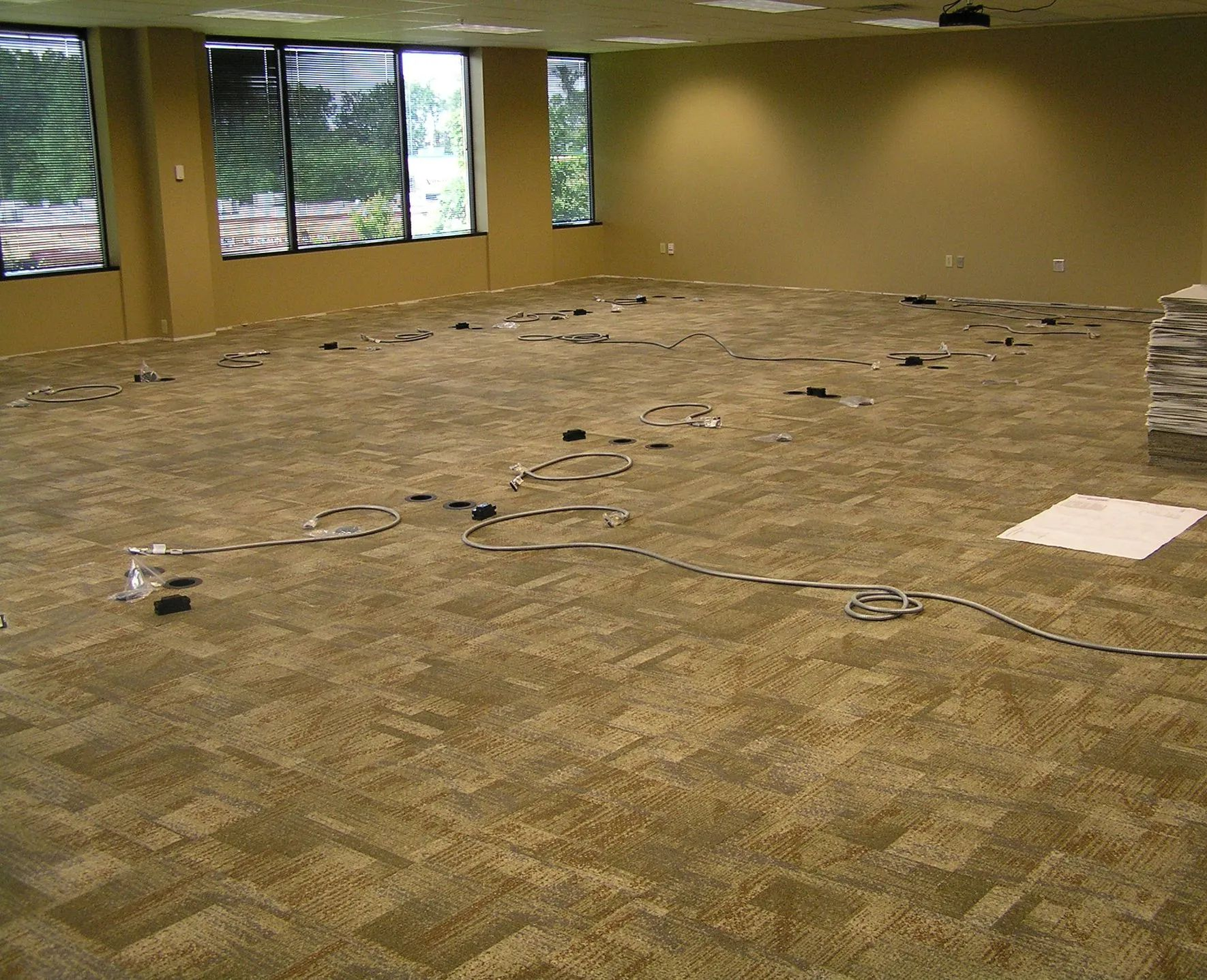
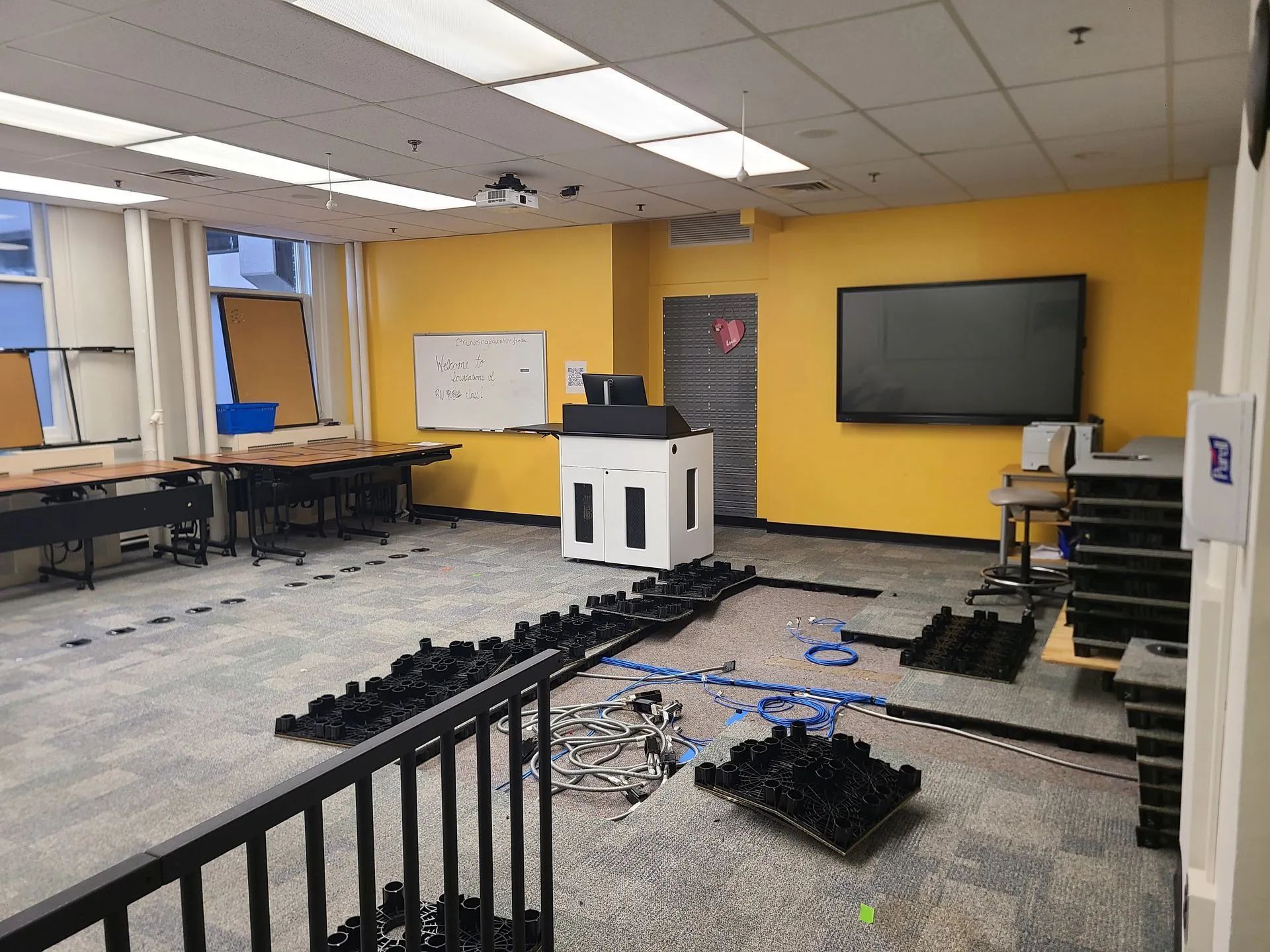
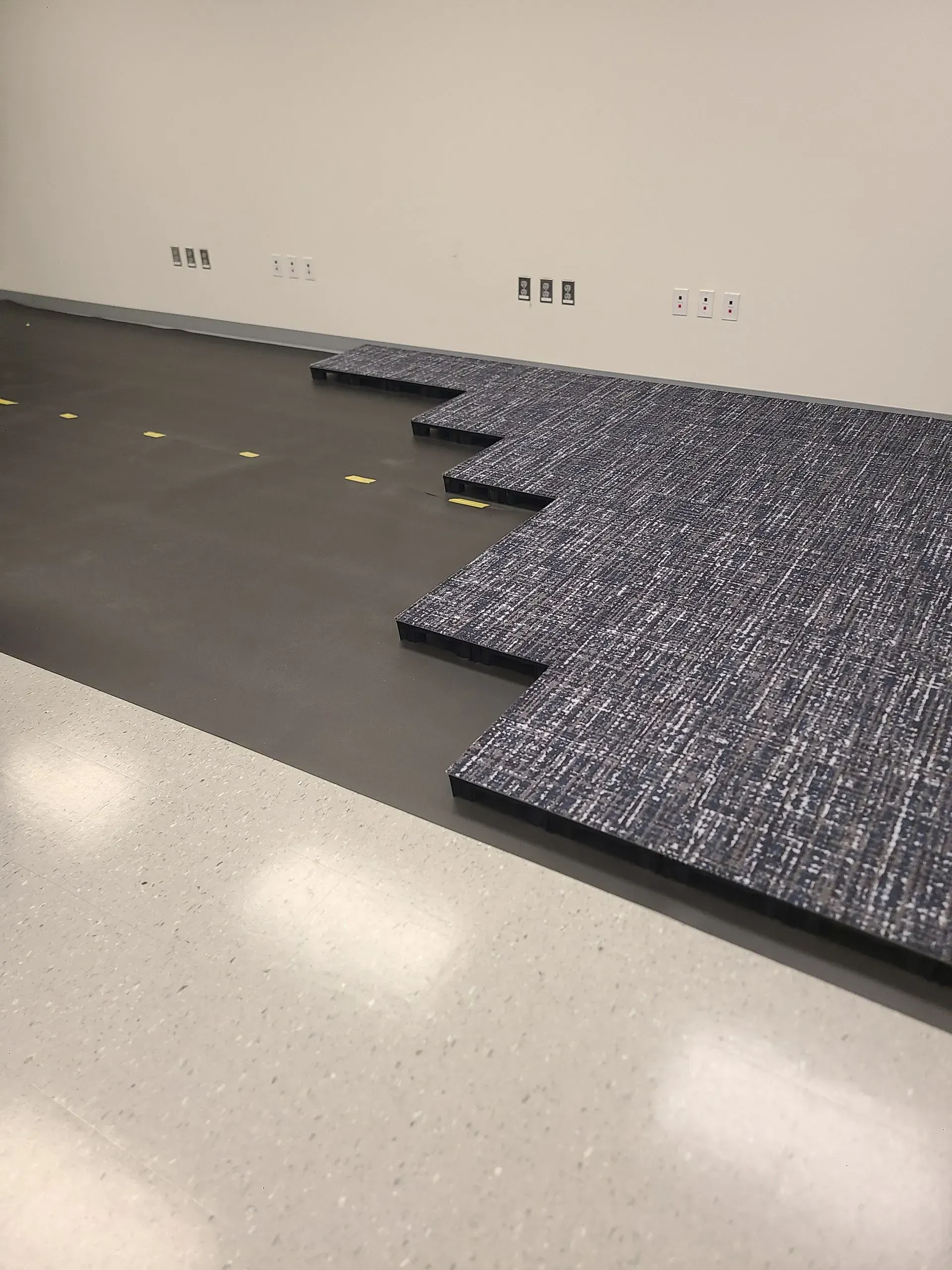
Raised access flooring (RAF) refers to a modular flooring system installed above a structural floor, creating a concealed void that can house electrical conduits, HVAC ducts, and network cables. Panels, typically 2x2 feet in size, rest on adjustable pedestals that allow for height customization, usually ranging from 4 inches to over 24 inches. The design provides a flexible infrastructure solution that adapts to evolving facility requirements without significant disruption to daily operations.
Key Components
- Panels – Constructed from steel, aluminum, or high-density wood core, panels can support heavy loads and come with various finishes, including vinyl, carpet, or laminate.
- Pedestals – Adjustable supports made from steel or composite materials that provide stability and allow height customization.
- Stringers (Optional) – Horizontal supports that connect pedestals for added structural integrity in high-load environments.
Common Applications
Raised access floors are particularly popular in data centers, IT rooms, control centers, and laboratories where frequent modifications to cabling, electrical, or cooling systems are required. Their design also supports enhanced airflow management, which is critical for maintaining optimal environmental conditions for sensitive equipment.
Advantages of Raised Access Flooring
Flexibility and Adaptability
One of the most compelling benefits of raised access floors is the unparalleled flexibility they offer. Since all critical infrastructure is located beneath the panels, modifications, expansions, or reconfigurations can be executed quickly. For example, a company needing additional network ports or upgraded HVAC systems can access the underfloor space without tearing up the flooring, saving both time and money.
Improved Energy Efficiency
Raised access floors can enhance energy efficiency through better airflow management. Many data centers utilize underfloor air distribution (UFAD) systems to deliver cooled air directly to server racks, reducing the load on traditional HVAC systems. By efficiently channeling conditioned air, RAF systems help maintain optimal temperatures while reducing energy consumption and operational costs.
Maintenance and Safety Benefits
Because wiring, cabling, and ducts are easily accessible beneath the panels, maintenance becomes less disruptive. Technicians can perform inspections or repairs without heavy equipment or invasive procedures. Additionally, by concealing cables and wires, raised floors reduce tripping hazards and improve overall workplace safety.
Long-Term Cost Efficiency
While initial installation costs for raised access floors are higher than traditional flooring, the long-term savings on maintenance, energy efficiency, and reduced downtime often offset this investment. Organizations with rapidly evolving technology requirements find that RAF systems deliver better ROI over a 10–20 year period compared to conventional flooring.
Challenges and Considerations of Raised Access Flooring
Environmental and Acoustic Factors
Traditional Flooring: Pros and Cons
Common Traditional Flooring Types
- Concrete – Durable, long-lasting, and cost-effective, concrete is widely used in industrial and commercial settings.
- Vinyl and Laminate – Easy to maintain, moisture-resistant, and aesthetically versatile.
- Hardwood – Offers a premium look and natural appeal but requires higher maintenance and is susceptible to moisture damage.
- Tile and Stone – Extremely durable and resistant to wear, though more expensive and less flexible in terms of infrastructure integration.
Advantages
- Lower Initial Cost – Traditional flooring generally costs less upfront and can be installed more quickly.
- Proven Durability – Many conventional materials have a track record of long-term performance with minimal issues.
- Aesthetic Versatility – Wide range of finishes, colors, and textures available to suit design preferences.
Limitations
- Limited Adaptability – Modifications to wiring, cabling, or plumbing require invasive procedures, often leading to downtime and additional expense.
- Maintenance Challenges – Repairs or upgrades may necessitate partial removal or replacement of the floor.
- Energy Efficiency Constraints – Traditional flooring does not support underfloor air distribution, limiting potential HVAC energy savings in large or technology-heavy spaces.
Comparative Analysis: Long-Term Efficiency
Operational Flexibility
Raised access flooring excels in spaces that require frequent technological upgrades or office reconfigurations. Traditional flooring is more rigid, meaning significant renovations can disrupt operations and increase costs over time.
Energy Management
RAF’s integration with underfloor air distribution systems supports superior temperature control and reduced energy consumption, particularly in data centers, laboratories, and open-plan offices. Traditional flooring requires reliance on overhead HVAC systems, which can be less efficient and harder to adapt to localized cooling or heating needs.
Maintenance and Downtime
The modular design of raised access floors minimizes downtime during repairs or upgrades, enhancing overall operational efficiency. Traditional floors, while durable, often require more extensive labor for modifications, resulting in longer disruptions.
Return on Investment
Although raised access flooring has a higher upfront cost, its adaptability, energy efficiency, and reduced maintenance requirements frequently provide a higher ROI in environments where technology and infrastructure needs evolve. Traditional flooring may be more cost-effective in static environments where frequent upgrades are unlikely.
Best Practices for Selecting Flooring Solutions
Assess Current and Future Needs
Prioritize Efficiency and Flexibility
Trusted Flooring Experts Deliver Efficient Long-Term Solutions
Selecting the right flooring system is a critical decision that impacts operational efficiency, maintenance costs, and long-term adaptability. Raised access floors provide unparalleled flexibility, improved energy management, and easier maintenance, making them ideal for technology-driven environments, data centers, and rapidly evolving commercial spaces. Traditional flooring, while cost-effective and durable, offers limited adaptability and may incur higher long-term costs in dynamic settings. Evaluating specific operational needs, infrastructure requirements, and future growth plans is essential to determine the optimal solution for any facility.
For businesses seeking reliable, efficient, and future-ready flooring solutions, Powerflor USA Inc, based in Gaithersburg, Maryland, offers over 25
years of expertise in access floor solutions. Our team specializes in designing, installing, and maintaining raised access floors tailored to meet the unique needs of commercial, industrial, and technology-driven environments. With a commitment to quality, durability, and client-focused service, Powerflor USA Inc
ensures your facility remains operationally efficient, adaptable, and sustainable. Trust our experience to deliver flooring solutions that align with both immediate requirements and long-term strategic goals.